

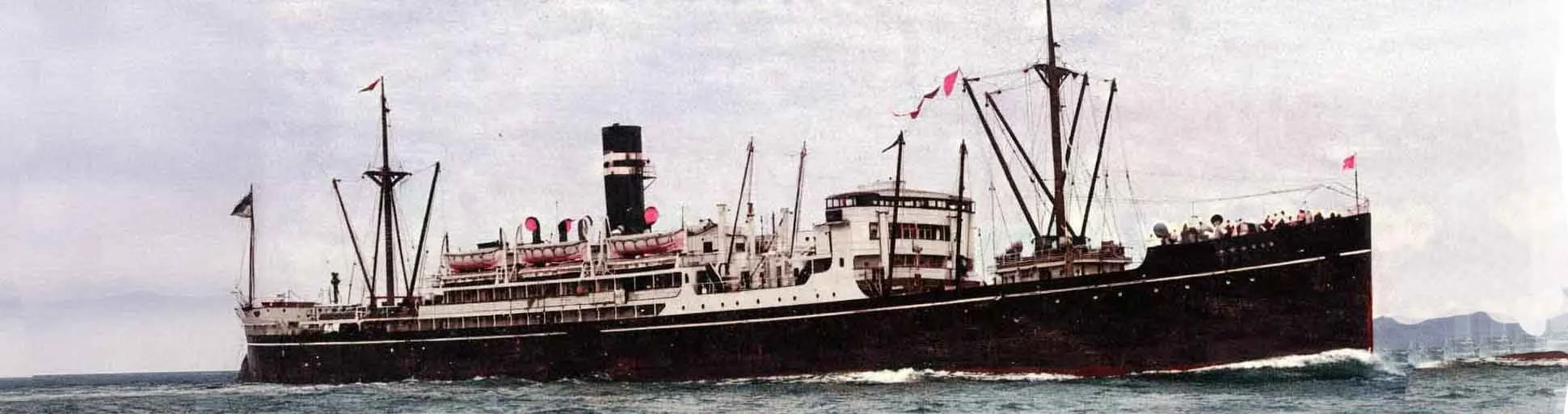
Hellships of World War II
What Were Hellships? (Quick Answer)
13 Hellships were Japanese transport ships used during World War II to carry Allied prisoners of war under extremely harsh and often deadly conditions. These ships were overcrowded, unmarked, and frequently attacked by Allied forces who did not know prisoners were onboard.
123Key Facts About Hellships
Used by Japan during World War II to transport POWs
Extremely overcrowded with little food, water, or ventilation
Not marked as prisoner transport ships
Frequently attacked by Allied submarines and aircraft
Responsible for thousands of prisoner deaths
Why Hellships Were So Dangerous
Hellships were among the most dangerous aspects of World War II prisoner transport. Because they were unmarked and used as standard military cargo ships, Allied forces could not identify them as POW vessels. This resulted in frequent attacks that caused significant loss of life among prisoners.This Hellships Database brings together the ships, voyages, and prisoner movements that formed one of the most tragic and complex transport systems of the Second World War. Between 1942 and 1945 the Japanese military moved tens of thousands of Allied prisoners of war and civilian internees across the Pacific aboard cargo vessels and transport ships. Confined in crowded cargo holds without proper food, water, ventilation, or sanitation, prisoners endured conditions so brutal that survivors later gave these vessels a grim name: the Hellships.
This database has been created to provide a structured historical record of those transports. Drawing upon archival research, survivor testimony, naval records, and published scholarship, the database documents the ships used, the voyages they undertook, and the prisoners who were carried aboard them. Where possible, the database includes details such as departure ports, destinations, convoy movements, dates of voyages, and the fate of each vessel.
The purpose of this Hellships Database is both historical and memorial. For historians and researchers, it offers a centralized reference for studying the POW transport system that connected prison camps across Southeast Asia, the Philippines, China, and Japan. For families of former prisoners, it provides a way to trace the journeys taken by those who endured captivity during the Pacific War.
The information presented here continues to evolve as new records and testimonies come to light. By organizing these scattered sources into a single searchable archive, the Hellships Memorial Foundation hopes to deepen public understanding of this largely overlooked chapter of World War II and to honor the memory of the thousands of prisoners who suffered and died during these voyages.
Frequently Asked Questions
What were Hellships?
Hellships were Japanese transport ships used to carry prisoners of war under brutal conditions during World War II.
Why were Hellships so deadly?
They were overcrowded, lacked basic necessities, and were not marked, leading to attacks by Allied forces.
Did Allied forces know prisoners were onboard?
No. Because the ships were unmarked, Allied forces typically did not know POWs were inside.
The Most Searched Hellships
Oryoku Maru
The first ship in a deadly transport chain that carried American POWs from Manila into one of the worst Hellship ordeals of the war.
Enoura Maru
Bombed in Takao Harbor, this Hellship became one of the deadliest in the final transport of American POWs to Japan.
Brazil Maru
The last ship in the Oryoku–Enoura–Brazil transport chain, exhausted survivors endured one final brutal voyage to Japan.
Toyama Maru
Toyama Maru sailed south from Kagoshima in late June carrying men of the 44th Independent Mixed Brigade bound for Okinawa and the Ryukyus.
Arisan Maru
One of the worst maritime losses of American POW life in World War II, with only a handful of survivors.
Hellships Sinking Sites Map
Singapore Maru
Singapore Maru was one of several Japanese merchant vessels used to transport Allied prisoners from Southeast Asia to labor camps in Japan.
Major POW Transport Disasters
Dai Nichi Maru
Dainichi Maru was another merchant cargo vessel employed by Japan dto transport supplies and prisoners across the Pacific.
Hofuku Maru
Bombed off the coast of Luzon, this ship became a major Hellship disaster involving British and Dutch prisoners of war.
A Japanese transport carrying Allied prisoners of war from Java to Japan, it sailed in June 1944 as part of a convoy moving north through East Asian waters.
Tamahoko Maru
Nissyo Maru
Like other hellships, it carried POWs under brutal and overcrowded conditions as Japan attempted to move forced labor to its industrial centers.
Heiyo Maru
Requisitioned for wartime service, Heiyo Maru operated within Japan’s maritime logistics system.
Explore the map in Google Earth (3-D).
Opens in a new window
Lisbon Maru
A British POW transport sunk off China in 1942, remembered for terrible loss and the courage of Chinese fishermen who rescued survivors.
This ship is remembered for both catastrophic loss and one of the war’s most remarkable submarine rescues.
Historically Important Hellships
Kachidoki Maru
Lost in the same convoy disaster as Rakuyō Maru, this ship carried British POWs into one of the great maritime tragedies of the Pacific War.
Tango Maru
This transport carried POWs and romusha into one of the deadliest convoy losses in the Dutch East Indies.
Suez Maru
A Hellship tragedy remembered not only for sinking, but for the massacre of surviving prisoners afterward.
Buyo Maru
An early and controversial POW transport disaster that exposed the deadly risks of moving prisoners in unmarked wartime ships.
Op ten Noort
A seized Dutch hospital ship whose forced use in POW transport reveals another side of the Hellships story.
Shin’yō Maru
In 1944, Shin’yō Maru became one of the deadliest Hellship disasters involving American prisoners of war in the Philippines.
Jun’yō Maru
One of the deadliest Hellship sinkings of the war, with Allied POWs and thousands of romusha lost off Sumatra.
Montevideo Maru
The worst maritime disaster in Australian history, carrying prisoners and civilians from Rabaul to their deaths off Luzon.
Secondary but Important Ships
Rakuyō Maru
Ryusei Maru
Before the war, Ryusei Maru operated in commercial shipping routes linking Japan with ports in China and Southeast Asia.
Ikoma Maru
Ikoma Maru served as a merchant vessel before being requisitioned for wartime service.
Kōshū Maru
A mass-casualty transport disaster in which romusha and prisoners died in huge numbers in the Celebes Sea.
Continue exploring the Philippine transport story through the Oryoku–Enoura–Brazil Maru transport chain, casualty records, and survivor histories.
Rakuyō Maru and Kachidoki Maru
Two major POW ships lost in the same convoy disaster in September 1944, linked by shared route, timing, and tragedy.
Linked Transport Chains and Convoys
Some Hellship tragedies are best understood as connected events rather than single-ship stories.