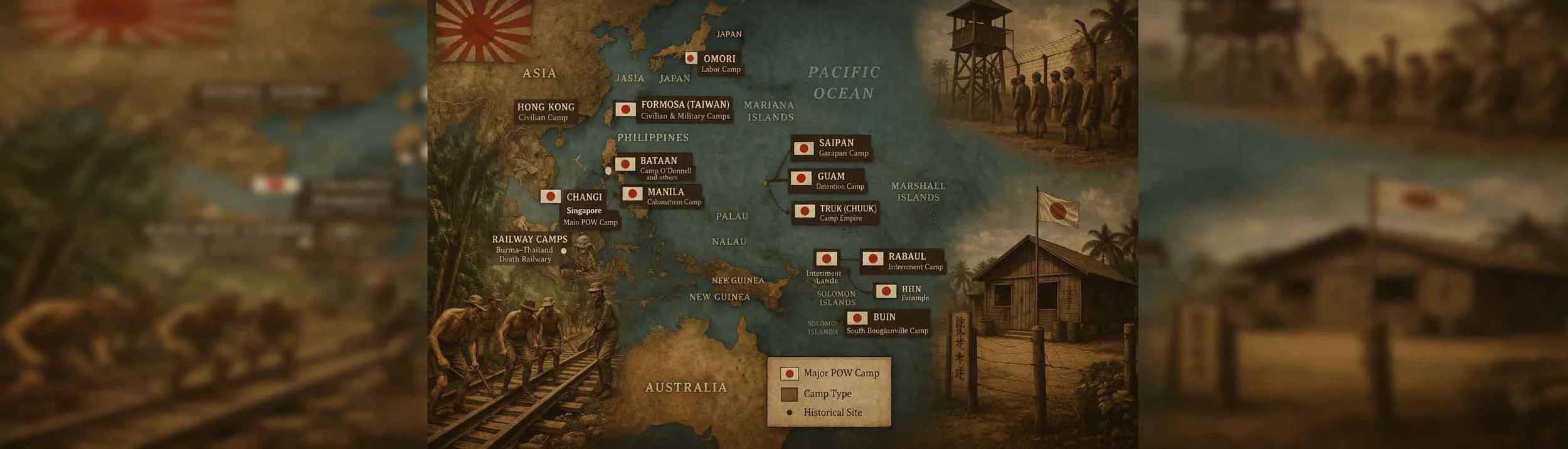
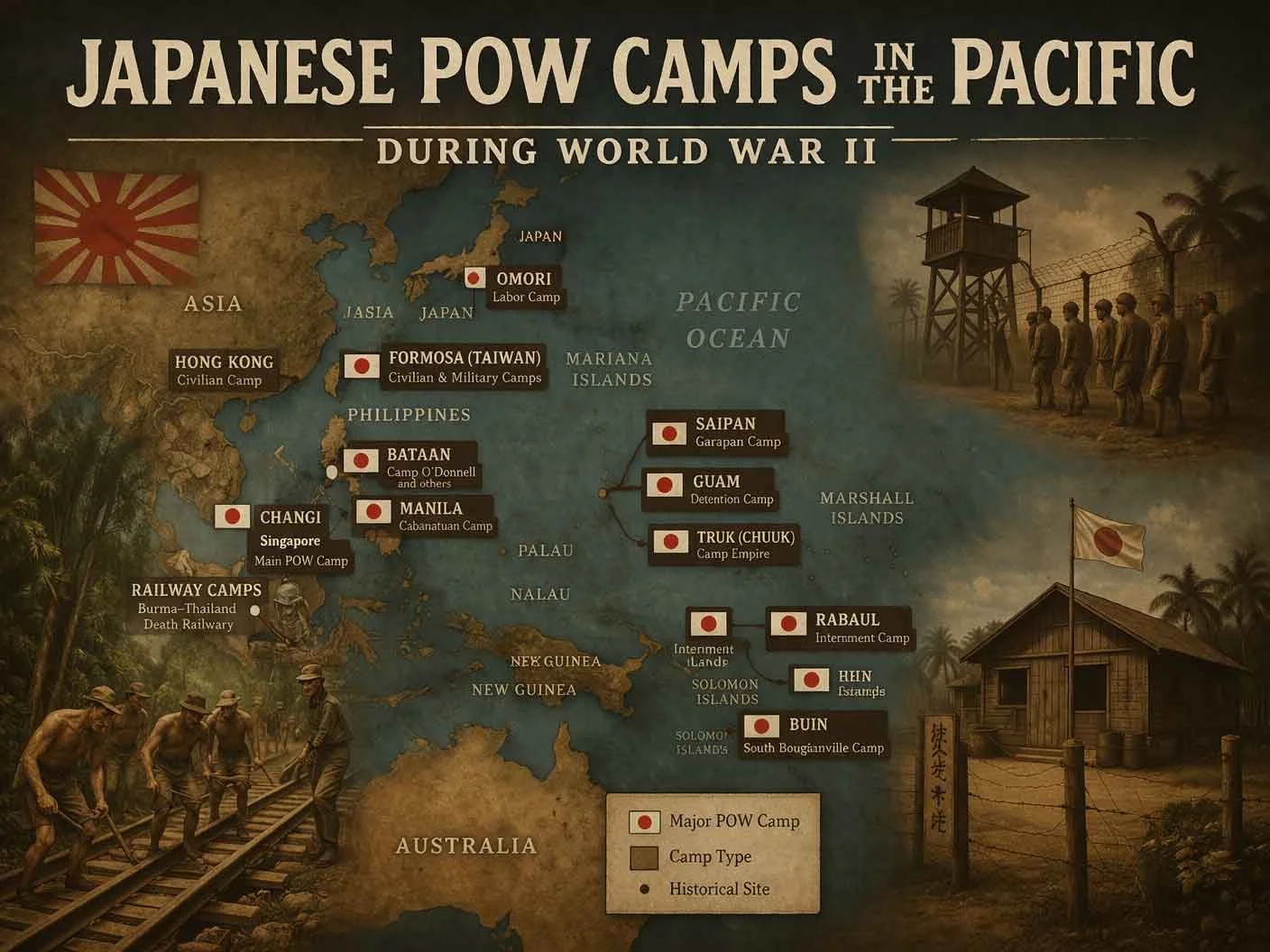
Japanese POW Camps in the Pacific During World War II
Introduction
During World War II in the Pacific, thousands of Allied soldiers and civilians were captured by Imperial Japanese forces and imprisoned in prisoner of war (POW) camps across Asia and the Pacific.
These camps stretched from the Philippines and Southeast Asia to Japan, Korea, Taiwan, and China, forming a vast network of detention and forced labor facilities.
Conditions in many Japanese POW camps were extremely harsh. Prisoners frequently suffered from malnutrition, disease, forced labor, and physical abuse, and thousands died during captivity.
Understanding these camps is essential to understanding the broader story of World War II POWs and the hellship transports that carried prisoners between camps. For additional reading visit:
Where Japanese POW Camps Were Located
Japanese POW camps were established throughout territories occupied by Japan during the war.
Major regions included:
The Philippines
Singapore
Thailand and Burma
China
Taiwan (Formosa)
Korea
Japan
Prisoners captured during battles such as the Fall of the Philippines, the Fall of Singapore, and campaigns in Southeast Asia were transported to these camps, often after long and deadly journeys aboard the Japanese hellships.
POW Camps in the Philippines
The Philippines held some of the largest POW populations during the war.
Important camps included:
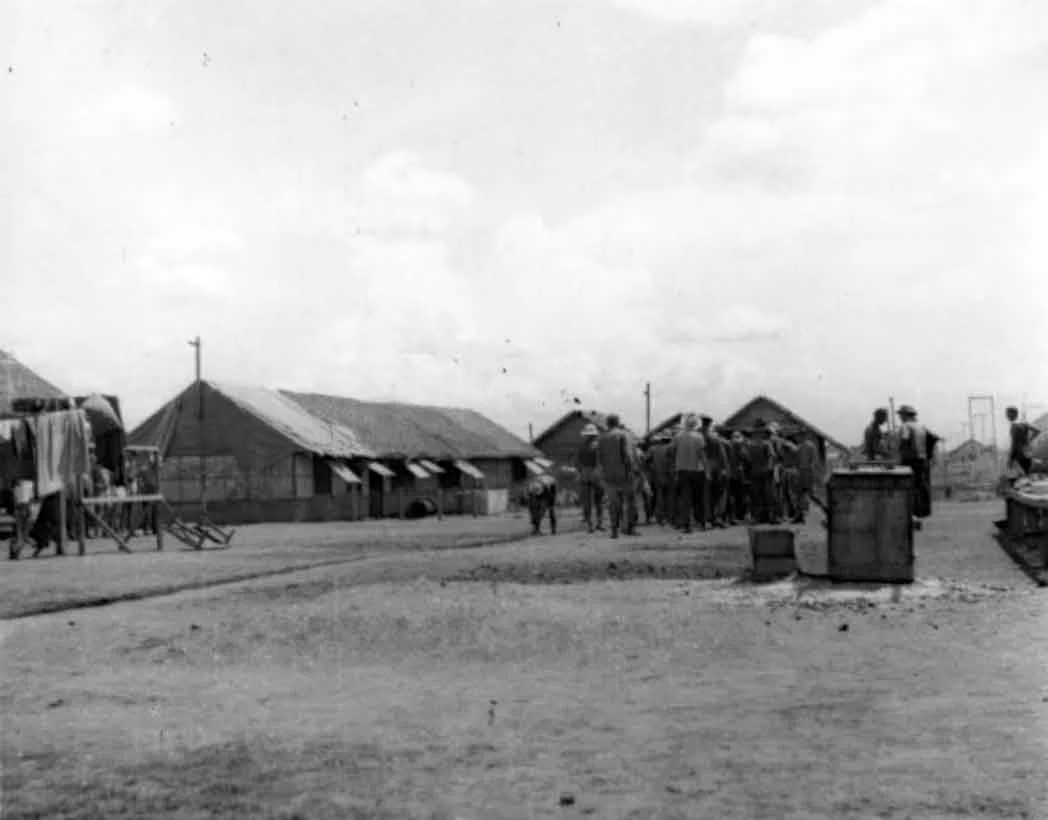
Bilibid Prison
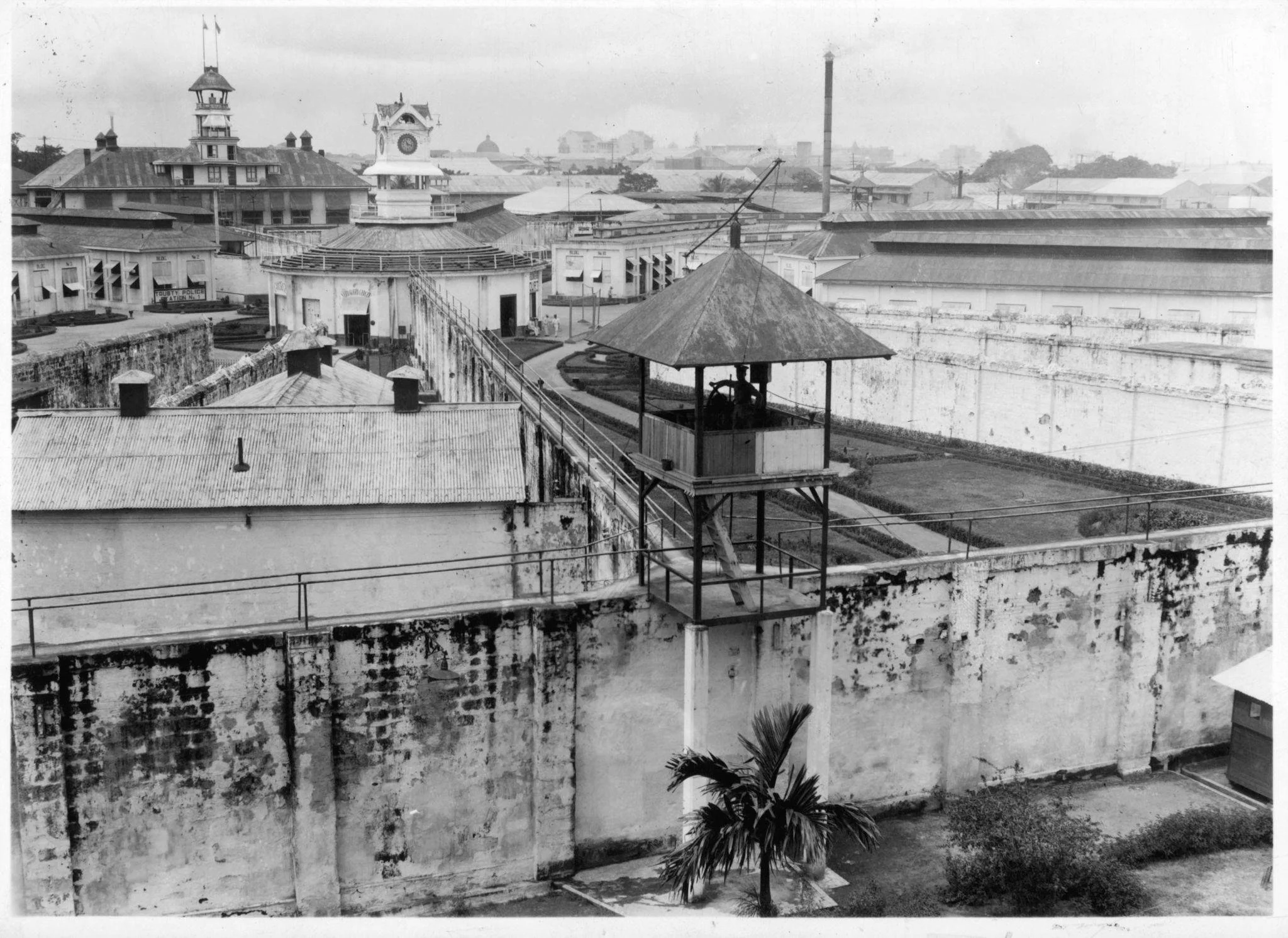
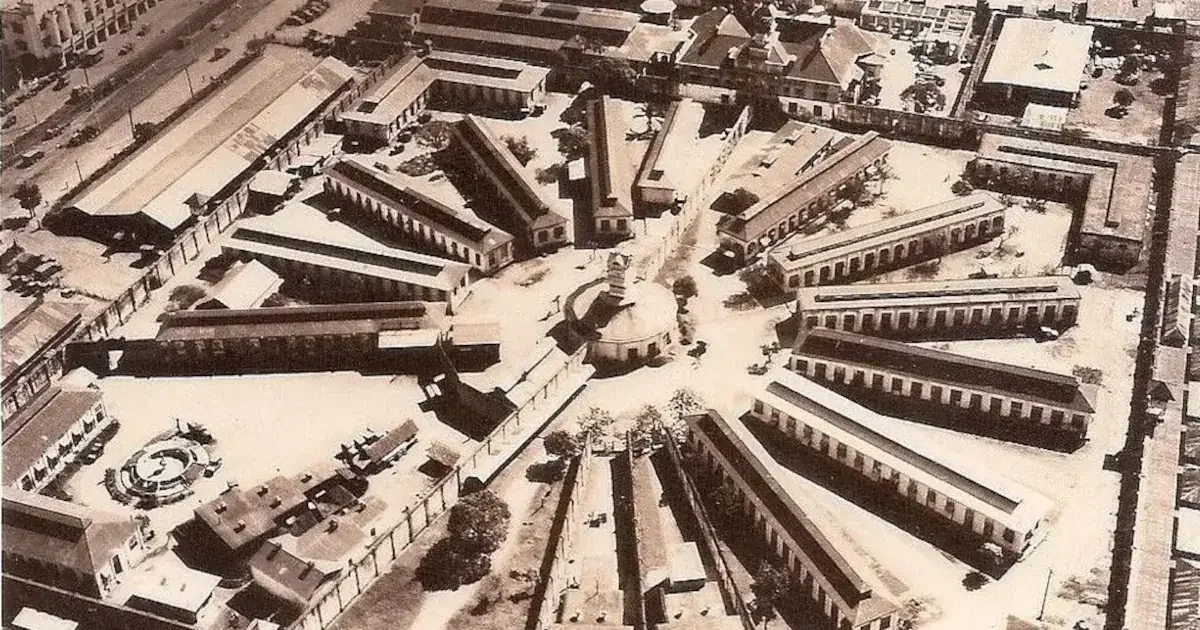
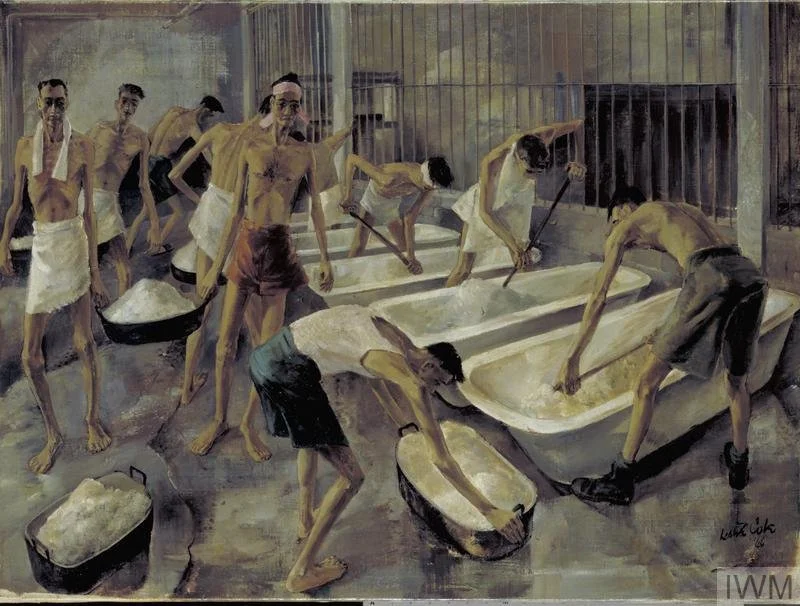
During the Japanese occupation of the Philippines in World War II, Bilibid Prison in Manila became one of the most significant—and harrowing—internment sites for Allied prisoners of war (POWs) and civilian detainees. Originally built during the Spanish colonial period and later expanded under American control, Bilibid was designed as a civilian prison. When the Japanese took control in early 1942, it was transformed into a major holding and transit center within the broader POW camp system.
Following the fall of Manila in January 1942 and the surrender of American and Filipino forces in April, thousands of captured soldiers and civilians passed through various camps. While many POWs were initially confined at camps like Cabanatuan, Bilibid served a different but equally essential purpose. It became a central urban detention facility, especially for civilians, resistance suspects, and prisoners waiting to be transferred to other camps or evacuated out of the Philippines.
Conditions inside Bilibid quickly worsened under Japanese administration. Severe overcrowding became a defining feature—cells meant for just a few inmates often held dozens. Sanitation systems failed under the strain, and access to clean water was inconsistent. Disease spread easily in these conditions, with dysentery, malaria, and beriberi common among the prisoners. Malnutrition was widespread, as rations were sparse and often consisted of poorly prepared rice with little protein.
Despite these hardships, Bilibid was not merely a place of indefinite detention. It also served as a staging ground for forced transports, particularly in the later years of the war. Starting in 1944, as Japan’s need for labor increased and the Allied advance threatened the Philippines, prisoners held in Bilibid were increasingly selected for shipment to Japan and other occupied territories. These transfers were carried out aboard the infamous “hellships”—unmarked cargo vessels used to transport POWs under brutal conditions.
Prisoners from Bilibid were marched or transported to Manila’s docks, where they were loaded onto ships such as the Oryoku Maru and later transferred to vessels like the Enoura Maru and Brazil Maru. These journeys were marked by extreme suffering, including overcrowding, poor ventilation, starvation, and frequent attacks by Allied forces unaware that POWs were on board. Many who left Bilibid never returned.
The prison also held a significant number of civilian internees, including Americans, British nationals, and other Allied citizens. Some had been arrested for suspected guerrilla activity or resistance involvement. For these prisoners, Bilibid represented a constant state of uncertainty—awaiting interrogation, transfer, or worse. Japanese guards varied in their treatment of inmates, but brutality, intimidation, and arbitrary punishment were common.
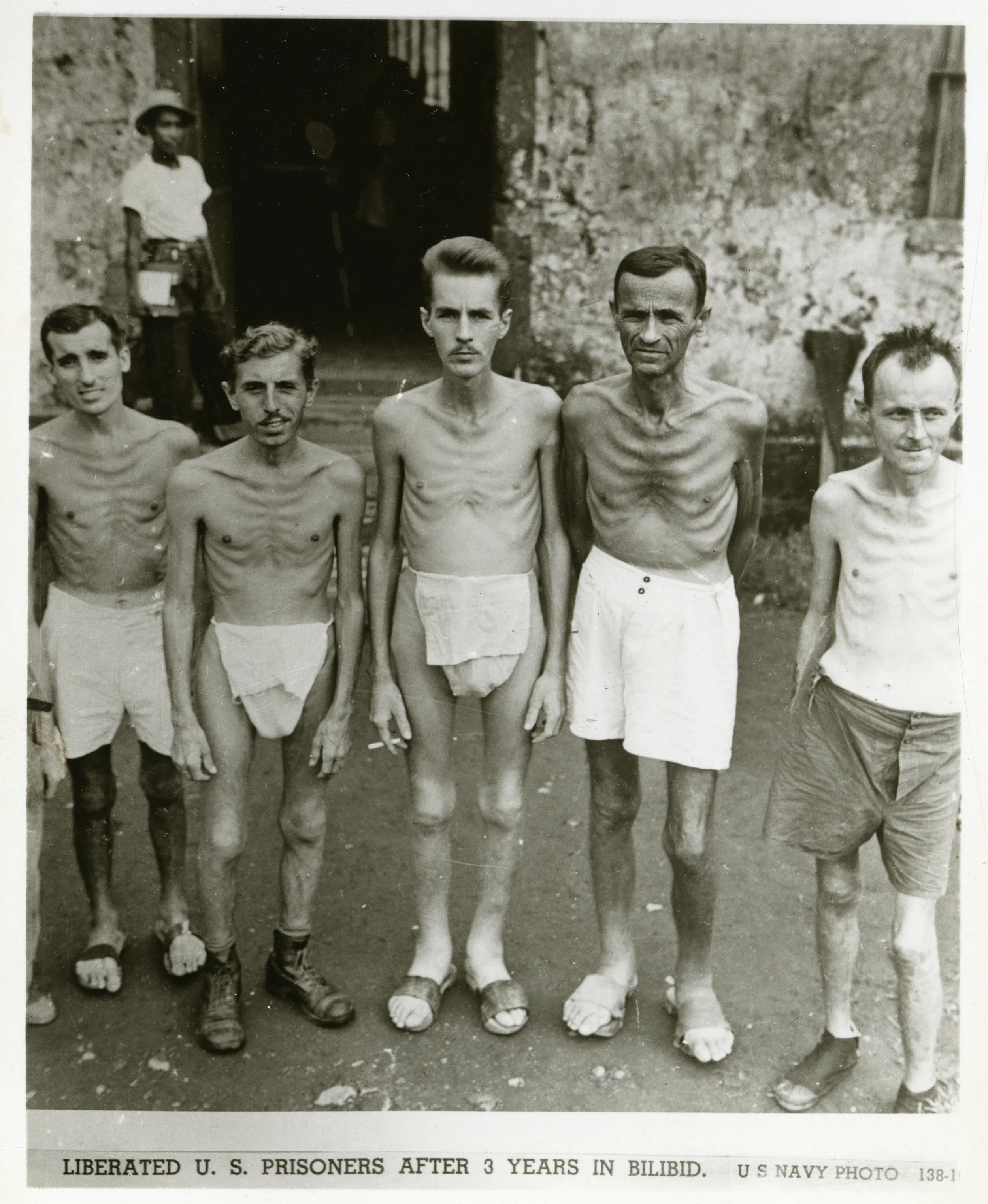
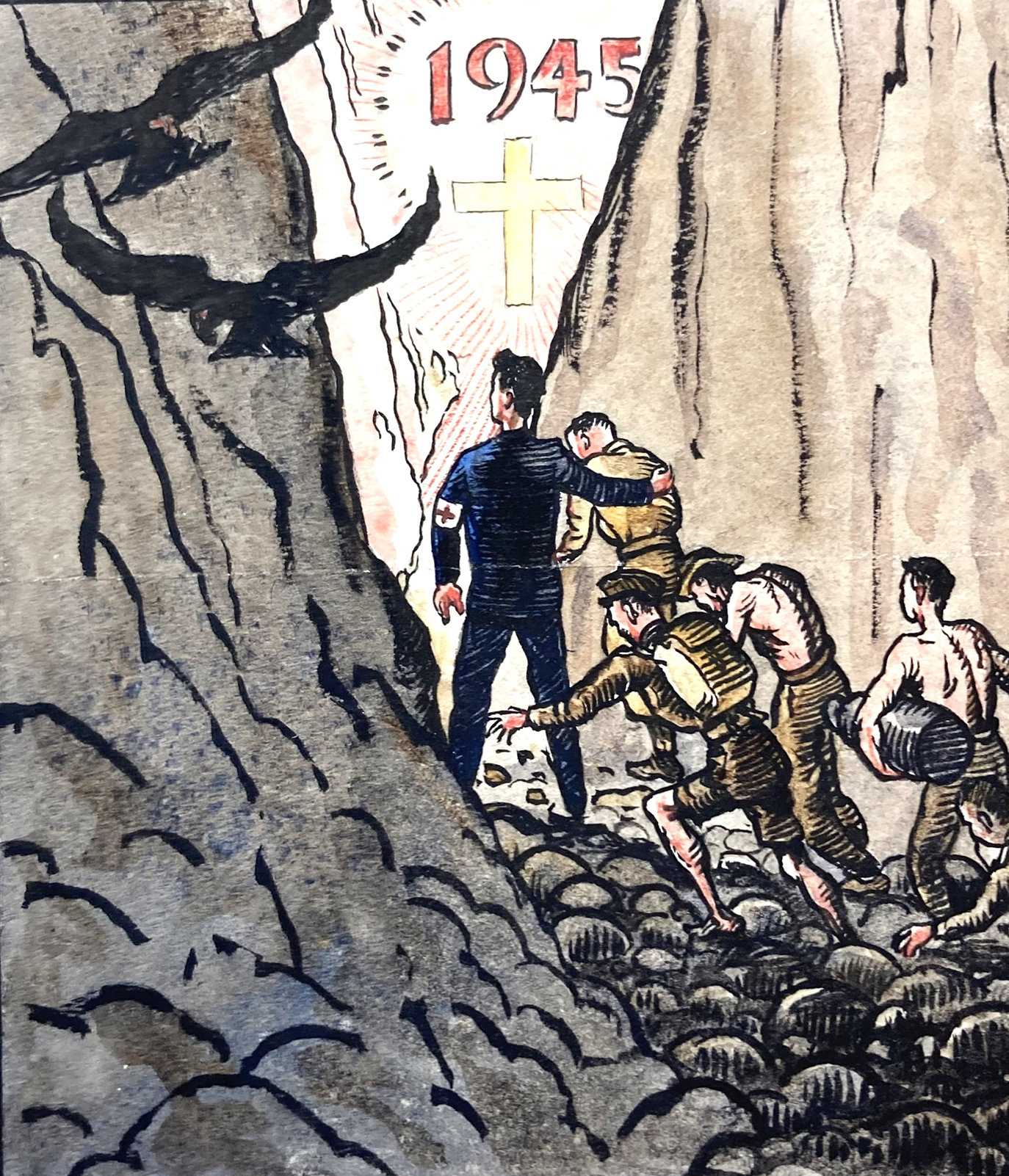
By early 1945, as American forces advanced toward Manila, the situation at Bilibid changed once again. Some prisoners were evacuated, while others remained as fighting intensified in the city. When U.S. forces liberated Manila in February 1945, they found survivors in severely weakened conditions, many suffering from prolonged malnutrition and disease.
Today, the legacy of Bilibid Prison during World War II serves as a stark reminder of the suffering endured by both military personnel and civilians under Japanese occupation. It holds a vital place in the broader story of the Philippine POW experience—connecting the fall of Bataan, the camps of Central Luzon, and the deadly voyages of the hellships into a single, tragic narrative. Bilibid Prison in Manila became one of the most significant—and harrowing—internment sites for Allied prisoners of war (POWs) and civilian detainees. Originally constructed during the Spanish colonial period and later expanded under American administration, Bilibid was designed as a civilian penitentiary. Under Japanese control beginning in early 1942, however, it was transformed into a major holding and transit center within the broader POW camp network.
Cabanatuan Camp: The Largest POW Camp in the Philippine
During World War II, Cabanatuan Camp in Nueva Ecija became the principal prisoner of war (POW) camp for American and Filipino soldiers captured after the fall of Bataan in April 1942. Established by Japanese forces shortly after the surrender, the camp formed part of a larger complex often referred to as the Cabanatuan POW Camp system, consisting of multiple subcamps designated for different groups of prisoners.
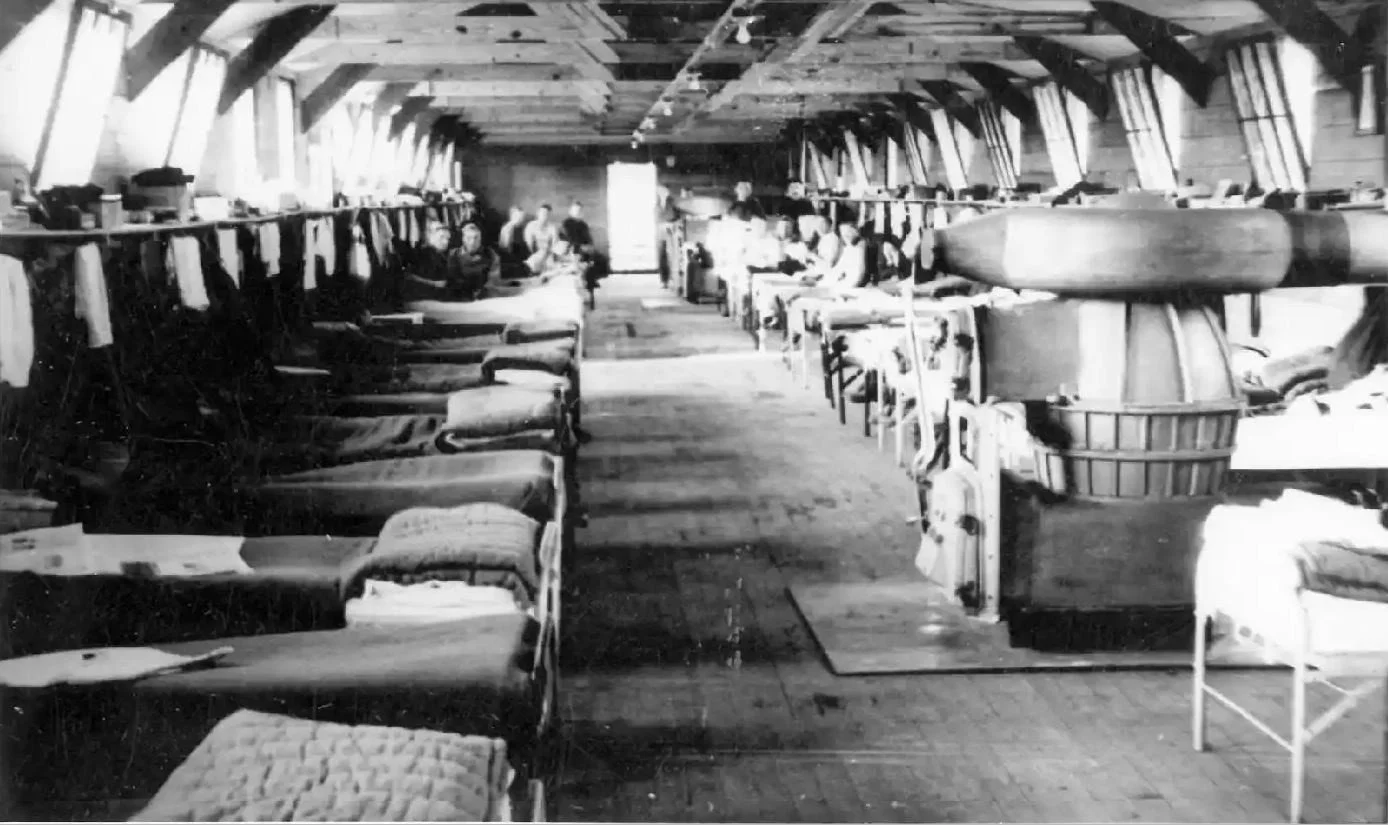
In the immediate aftermath of the Bataan Death March, tens of thousands of exhausted and malnourished prisoners arrived at Cabanatuan. Many had already endured unimaginable hardship during the march itself—beatings, starvation, and execution of those who fell behind. Upon arrival, conditions did not significantly improve. The camp, originally intended to house far fewer prisoners, quickly became overcrowded, with inadequate shelter and limited access to food, medicine, and clean water.
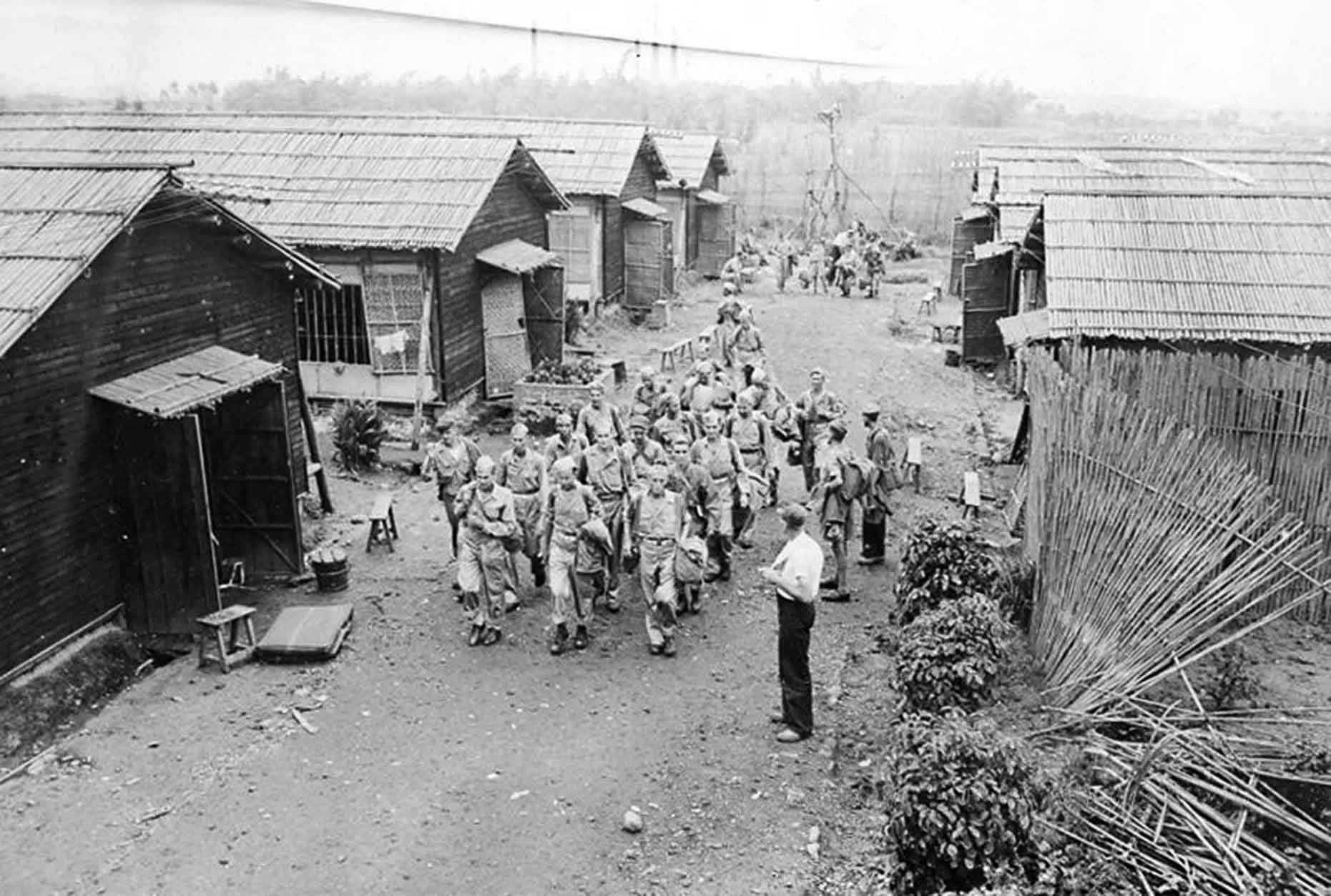
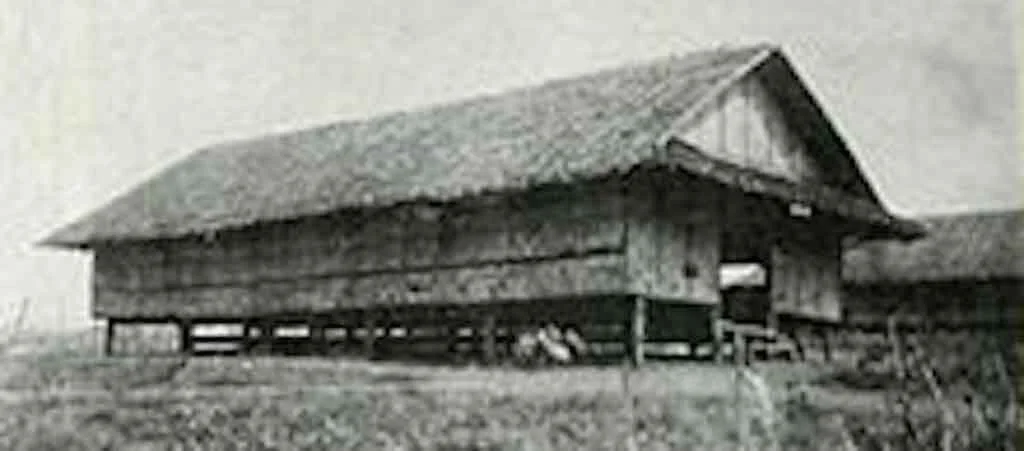
Life in Cabanatuan was defined by deprivation and disease. Prisoners lived in bamboo barracks with little protection from the elements. Rations typically consisted of small portions of rice, often supplemented with camote (sweet potato) or watery soup. Malnutrition was widespread, leading to severe weight loss and weakened immune systems. Diseases such as malaria, dysentery, and beriberi spread rapidly through the camp. Medical supplies were scarce, and treatment was often improvised by fellow prisoners, including captured military doctors who struggled to care for the sick with minimal resources.
Japanese discipline within the camp was harsh and often arbitrary. Guards enforced strict rules, and punishment for minor infractions could be severe. Beatings were common, and prisoners were sometimes subjected to forced labor details, including agricultural work and construction. Despite this, many prisoners formed strong bonds of mutual support, sharing food, caring for the sick, and maintaining morale under extreme conditions.
By 1943 and 1944, the population at Cabanatuan began to decrease as prisoners were selected for transfer. Many were sent to other camps within the Philippines, while others were shipped abroad aboard the infamous “hellships” to provide forced labor in Japan, Formosa (Taiwan), and other occupied territories. These transports were among the most dangerous phases of captivity, with many prisoners dying en route due to inhumane conditions or Allied attacks on unmarked ships.
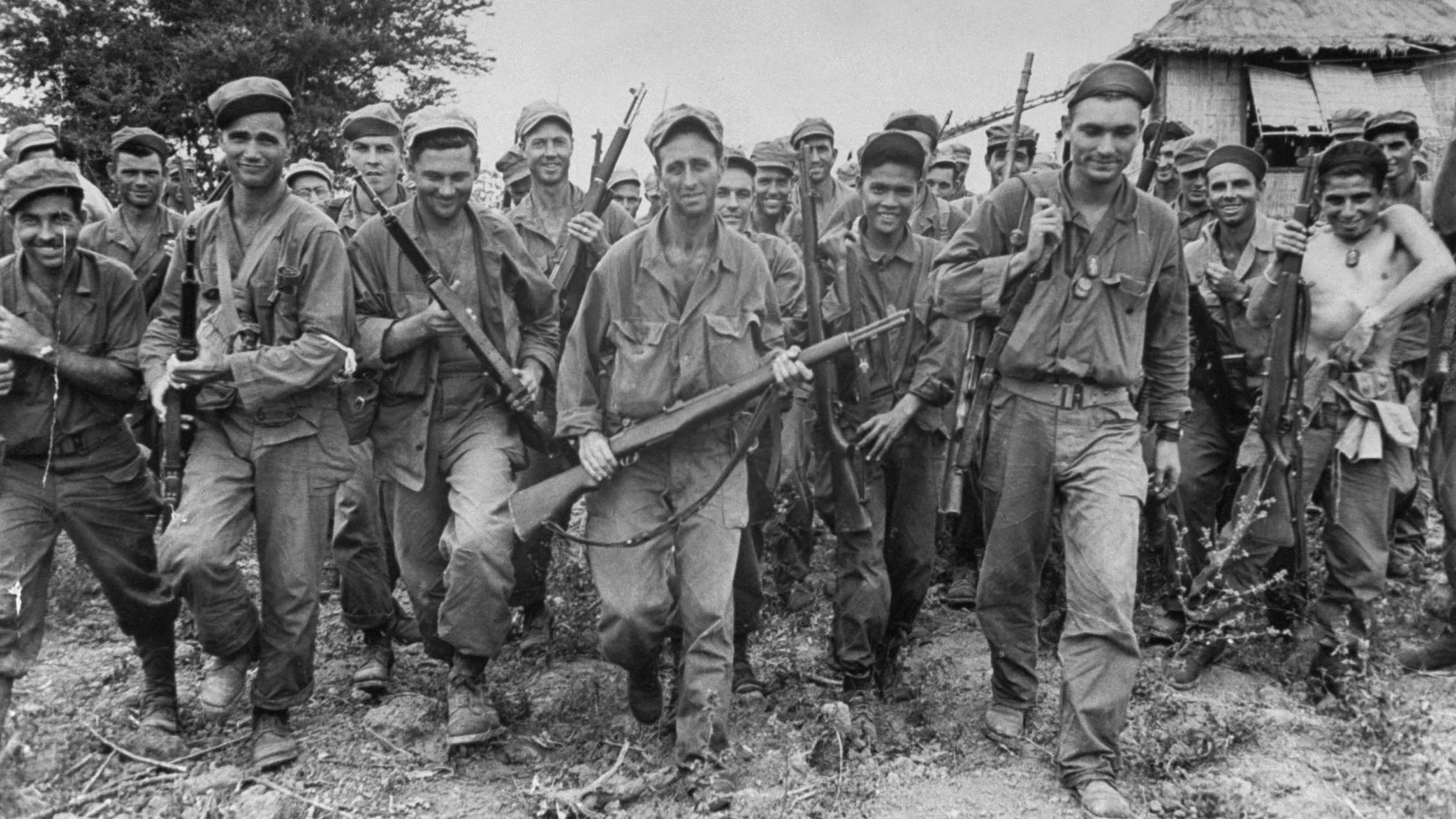
Cabanatuan is perhaps best remembered for the dramatic rescue mission carried out on January 30, 1945. As American forces advanced through Luzon, intelligence reports indicated that the remaining prisoners—over 500 weakened survivors—were at risk of execution by retreating Japanese forces. In response, U.S. Army Rangers, Alamo Scouts, and Filipino guerrillas launched a daring nighttime raid known as the Raid at Cabanatuan.
The rescue was a remarkable success. The attacking force infiltrated the camp, neutralized Japanese guards, and evacuated the prisoners under cover of darkness. Filipino guerrillas played a crucial role in guiding the rescuers and providing security during the withdrawal. The operation saved hundreds of lives and became one of the most celebrated rescue missions of the war in the Pacific.
Today, the site of Cabanatuan Camp is preserved as the Cabanatuan American Memorial. It stands as a place of remembrance for the thousands who suffered and died there, as well as those who endured captivity and survived. The story of Cabanatuan is not only one of hardship and loss but also of resilience, solidarity, and the enduring will to survive in the face of overwhelming adversity.
Davao Penal Colony: A Remote and Brutal POW Camp
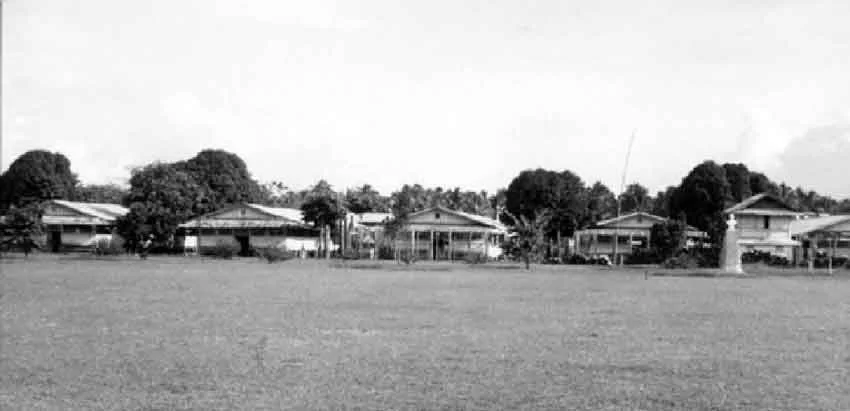
During the Japanese occupation of the Philippines in World War II, the Davao Penal Colony in Mindanao became one of the most isolated and punishing prisoner of war (POW) camps in the Pacific. Originally established by American colonial authorities as an agricultural prison, the colony was located in a remote region near the Davao Gulf and was primarily used for cultivating abaca (hemp), a critical material for rope and military supplies. When Japanese forces took control in 1942, they converted the facility into a labor camp for Allied prisoners.
Many of the POWs sent to Davao were American soldiers captured after the fall of Bataan and Corregidor. Some were transferred from camps such as Cabanatuan Camp, while others were brought directly to Mindanao. The journey itself was grueling, often involving overcrowded ships and long overland marches. Once at Davao, prisoners entered a system designed to extract maximum labor under minimal provisions.
Life in the Davao Penal Colony revolved around forced agricultural work. POWs were assigned to cut, strip, and process abaca fibers under the hot and humid tropical climate. The work was physically demanding and relentless, often performed with inadequate tools and under constant supervision by Japanese guards. Failure to meet quotas or signs of weakness could result in beatings or other forms of punishment.
Food was insufficient and nutritionally poor, typically consisting of rice and occasional vegetables, with little to no protein. As a result, malnutrition became widespread, weakening prisoners and making them highly susceptible to disease. Malaria, dysentery, and skin infections were common, exacerbated by the harsh working conditions and lack of proper medical care. Medical treatment was rudimentary at best, often administered by fellow prisoners with limited supplies.
Despite these hardships, the relative isolation of the camp allowed for a unique development within the POW experience: organized escape attempts. The most notable of these was the Davao Penal Colony escape in April 1943, when several American prisoners successfully escaped into the surrounding jungle. With the assistance of Filipino guerrilla groups, some of these escapees managed to evade recapture and eventually rejoin Allied forces. Their accounts provided valuable intelligence about Japanese operations and conditions within POW camps.
Japanese guards at Davao were known for strict discipline and harsh treatment, though conditions varied depending on individual commanders. The remote nature of the colony meant that prisoners had little contact with the outside world, and news of the war’s progress was scarce. This isolation contributed to a sense of uncertainty and psychological strain among the inmates.
As the war progressed and Allied forces began advancing through the Pacific, the situation at Davao became increasingly precarious. Some prisoners were selected for transfer to other locations, including transport aboard the notorious hellships bound for Japan and other occupied territories. Many of these journeys proved deadly, with prisoners enduring extreme overcrowding, starvation, and attacks at sea.
The Davao Penal Colony was eventually liberated in 1945 as American forces returned to the Philippines. Survivors emerged physically weakened but carried with them stories of endurance and resistance under some of the harshest conditions faced by POWs in the Pacific theater.
Today, the history of the Davao Penal Colony stands as a testament to the resilience of those who endured captivity there. Its story highlights not only the brutality of forced labor under Japanese occupation but also the courage of those who resisted, escaped, and survived against overwhelming odds.
POW Camps in Southeast Asia
Several major POW camps were located in Southeast Asia, where prisoners were forced to work on major Japanese construction projects.
Changi Prison: A Center of Captivity in Japanese-Occupied Singapore
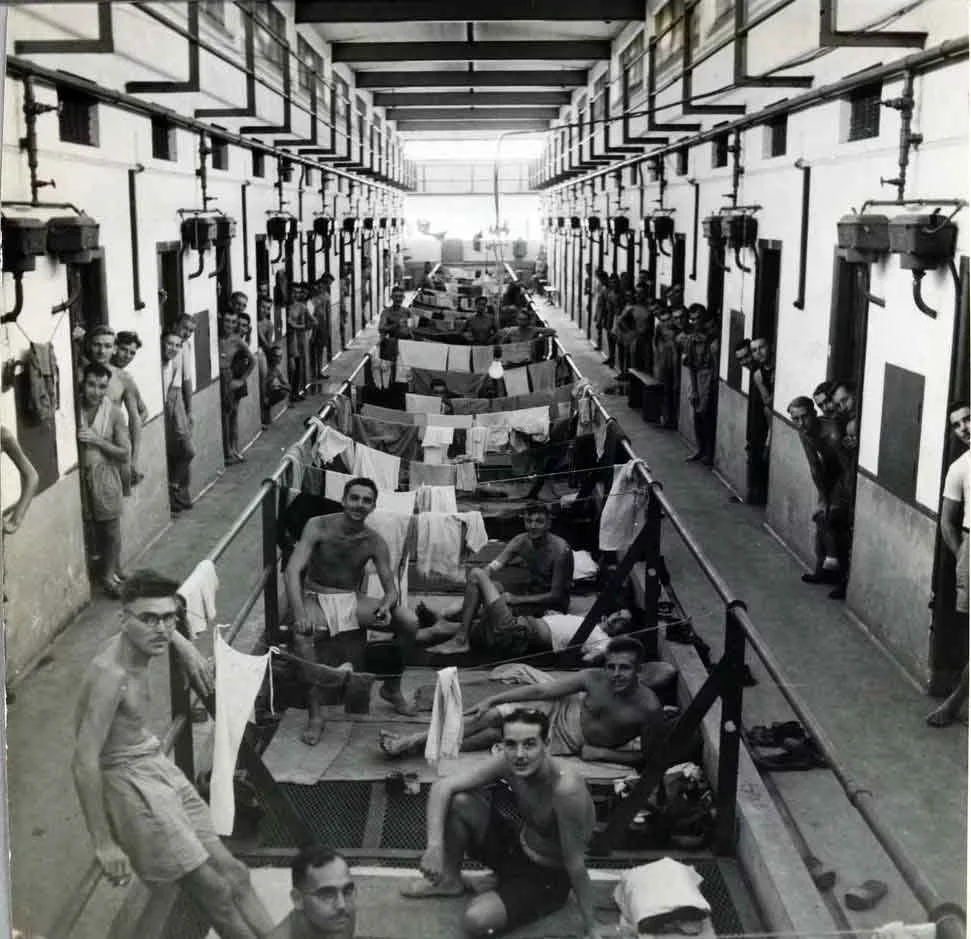
Following the fall of Singapore in February 1942—one of the most significant defeats for the British Empire during World War II—thousands of Allied troops were taken prisoner by Japanese forces. Many of these men were interned at Changi Prison, which became one of the most well-known prisoner of war (POW) camps in the Pacific. Originally built by the British in 1936 as a civilian prison, Changi was repurposed by the Japanese to house military prisoners and later civilians.
At its peak, the Changi area—including the prison and surrounding barracks—held tens of thousands of prisoners, primarily British, Australian, and other Commonwealth troops captured during the Battle of Singapore. Unlike some of the more brutal camps elsewhere in the Japanese empire, early conditions at Changi were comparatively less severe, largely because the Japanese initially allowed prisoners a degree of autonomy in organizing their daily lives.
Prisoners established a functioning internal community within the camp. They organized educational classes, religious services, theatrical performances, and even improvised sporting events. This structure helped maintain morale and discipline among the captives. One of the most enduring symbols of resilience at Changi is the set of chapel murals painted by British bombardier Stanley Warren, which remain a powerful testament to faith and hope under captivity.
However, this relative stability did not last. As the war progressed and Japanese resources became strained, conditions in Changi deteriorated significantly. Food shortages became acute, with daily rations often reduced to small portions of rice supplemented by whatever prisoners could grow or scavenge. Malnutrition and disease became widespread, with illnesses such as dysentery, beriberi, and malaria affecting large portions of the camp population.
From 1942 onward, many prisoners from Changi were sent on work details throughout Southeast Asia. The most infamous of these assignments was the construction of the Burma–Thailand Railway, where thousands of POWs and Asian laborers were subjected to brutal conditions. Others were transported aboard Japanese “hellships” to labor camps in Japan, Formosa (Taiwan), and elsewhere. These transfers often marked a sharp decline in survival chances, as prisoners faced extreme overcrowding, starvation, and disease during transit.
Discipline within Changi tightened over time. Japanese guards imposed stricter controls, and punishments became more severe. Interrogations, beatings, and executions were not uncommon, particularly for those suspected of resistance activities or escape attempts. Despite this, acts of quiet defiance and mutual support continued, with prisoners sharing food, caring for the sick, and preserving a sense of community.
By 1945, conditions in Changi had reached a critical point. Many prisoners were severely weakened, and supplies were nearly exhausted. With Japan’s impending defeat, uncertainty loomed over the fate of those still held in the camp. Liberation finally came in September 1945, following Japan’s surrender. Allied forces returned to Singapore and freed the surviving prisoners, many of whom required immediate medical attention.
Today, the legacy of Changi Prison stands as one of both suffering and resilience. It is remembered not only for the hardships endured by thousands of Allied prisoners but also for the extraordinary strength of the human spirit demonstrated within its walls. The stories of survival, creativity, and solidarity that emerged from Changi continue to resonate as powerful reminders of endurance in the face of adversity.
Burma–Thailand Railway Camps: Forced Labor on the “Death Railway”
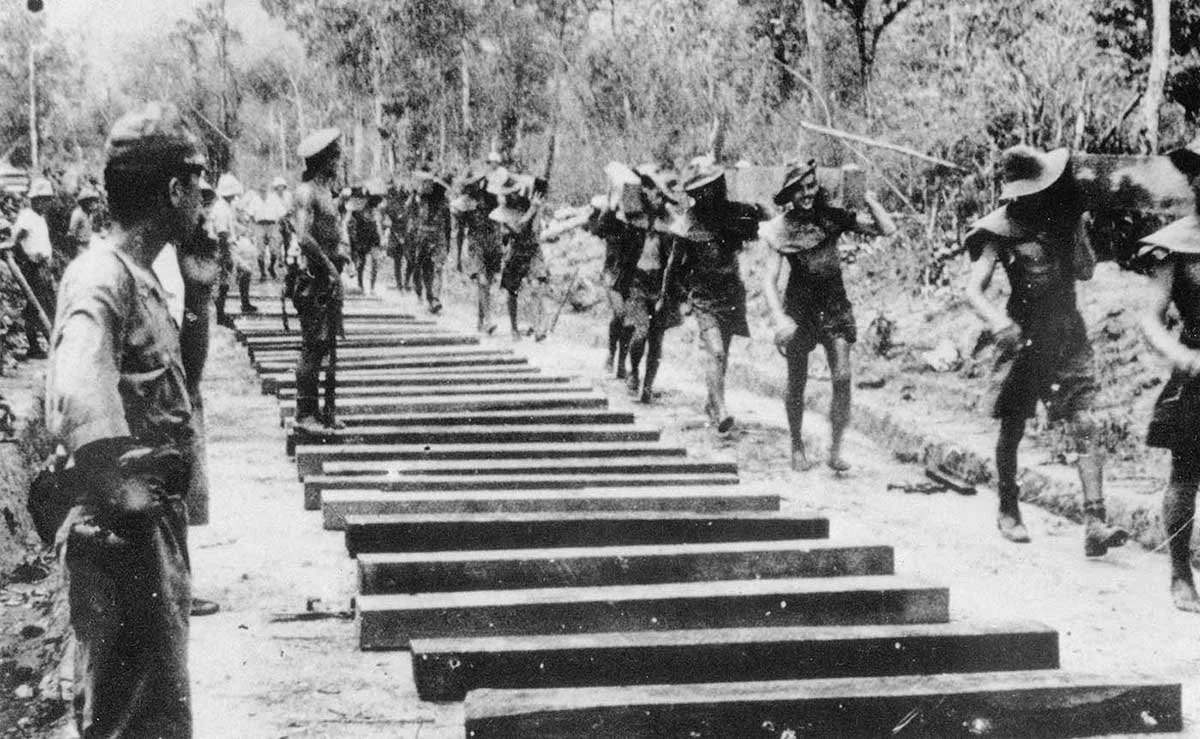
The Burma–Thailand Railway, often called the “Death Railway,” stands as one of the most infamous forced labor projects of World War II. Constructed by the Japanese between 1942 and 1943, the railway stretched approximately 415 kilometers (258 miles) through dense jungle, mountains, and rivers, linking Thailand (then Siam) to Burma (now Myanmar). Its purpose was strategic: to support Japanese military operations in Burma by providing a secure overland supply route, bypassing Allied-controlled sea lanes.
To build the railway, the Japanese relied heavily on forced labor. More than 60,000 Allied prisoners of war (POWs)—primarily British, Australian, Dutch, and American troops—were transported from camps such as Changi Prison. They were joined by an estimated 180,000 to 250,000 Asian laborers, known as romusha, who were conscripted or coerced from across Southeast Asia. Together, these men were subjected to brutal working and living conditions in remote jungle camps along the railway’s route.
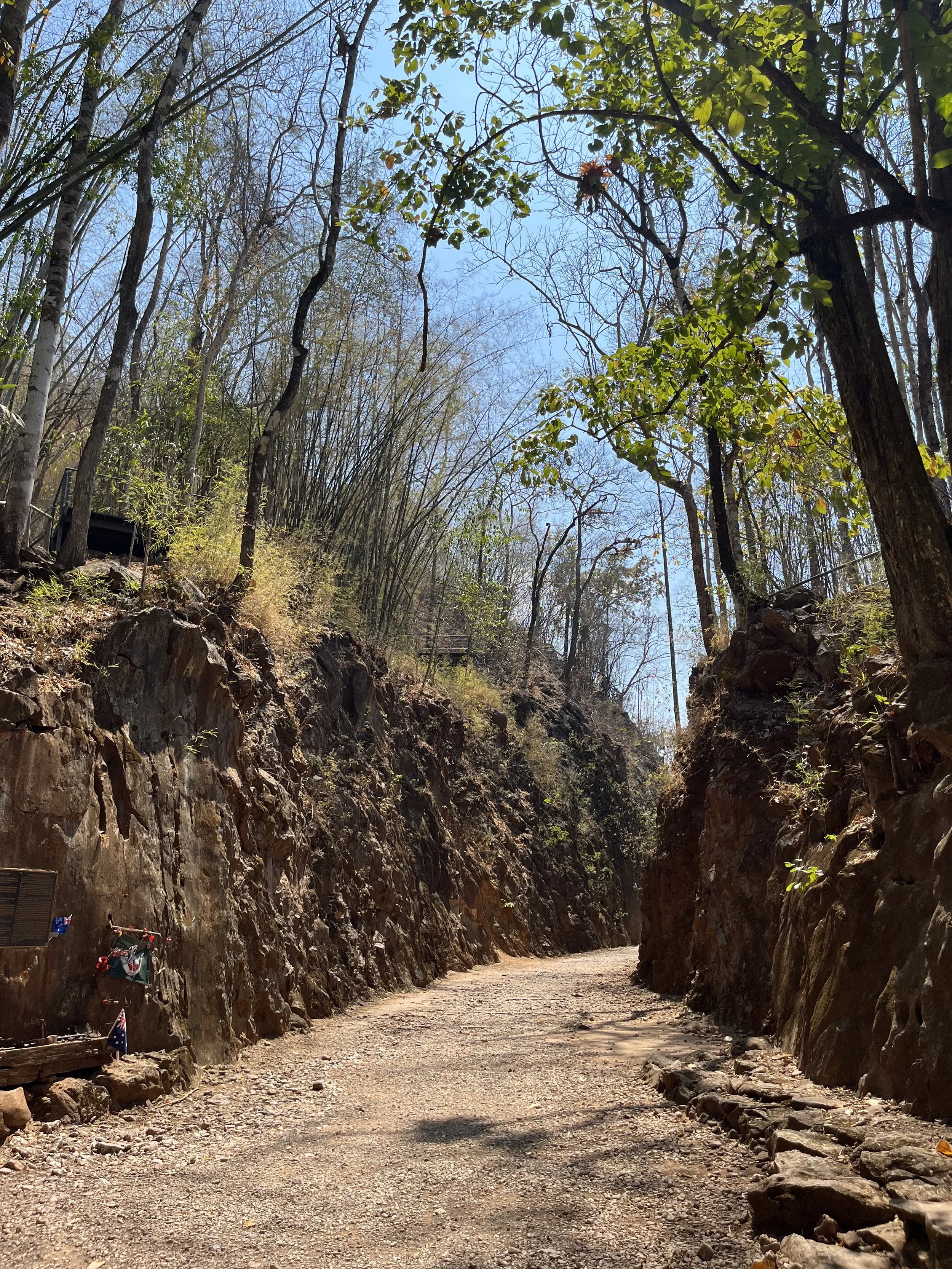
Life in the railway camps was defined by relentless labor and extreme hardship. Prisoners worked long hours—often 12 to 18 hours a day—clearing jungle, cutting through rock, laying track, and building bridges. One of the most grueling sections was at Hellfire Pass, where POWs were forced to carve through solid rock using primitive tools. The pace of construction intensified during periods known as the “Speedo” phase, when Japanese commanders demanded rapid completion regardless of human cost.
Conditions in the camps were appalling. Shelter consisted of crude bamboo huts with little protection from the elements. Food rations were minimal, typically a small portion of rice with occasional vegetables, insufficient to sustain the intense physical labor required. Malnutrition was widespread, leading to severe weight loss, muscle wasting, and weakened immunity. Diseases such as cholera, dysentery, malaria, and tropical ulcers ravaged the camps, often going untreated due to a lack of medical supplies.
Medical care was rudimentary and frequently improvised by POW doctors who worked with almost no equipment. Surgical procedures were sometimes performed without proper anesthesia, and basic medicines were scarce. The combination of disease, starvation, overwork, and physical abuse resulted in a staggering death toll. It is estimated that over 12,000 Allied POWs and tens of thousands of Asian laborers died during the construction of the railway.
Japanese guards enforced discipline with brutality. Beatings were common, particularly for those unable to meet work quotas or who appeared too weak to continue. Despite this, acts of resilience and solidarity emerged among the prisoners. Men shared food, cared for the sick, and maintained morale through small acts of defiance and camaraderie. These bonds of survival became a defining feature of the POW experience on the railway.
The railway was completed in October 1943, but its human cost was immense. Although it was used by Japanese forces, it was frequently targeted by Allied bombing campaigns in the later stages of the war, limiting its strategic effectiveness.
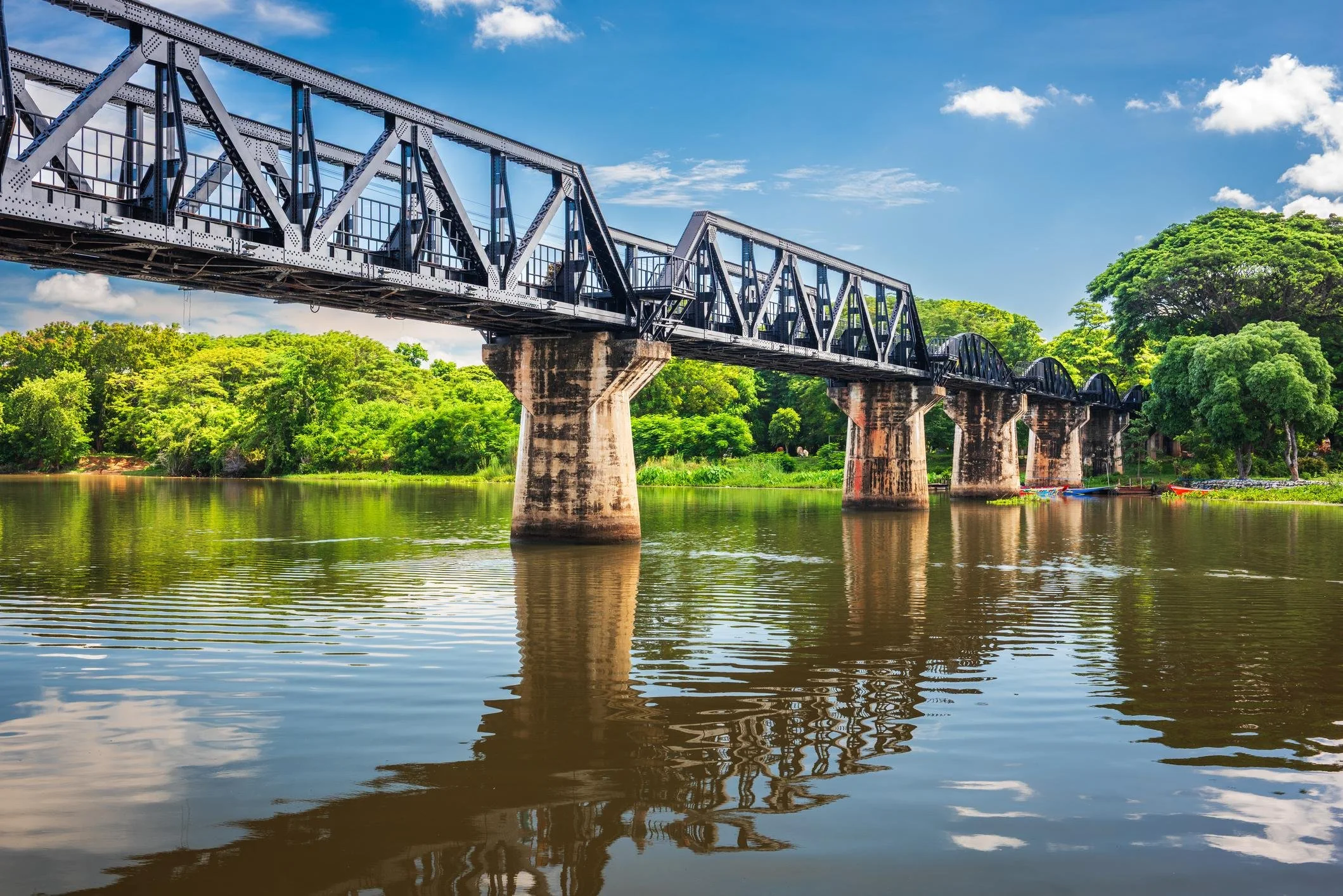
Today, the legacy of the Burma–Thailand Railway endures as a symbol of suffering, endurance, and remembrance. Sites such as the bridge over the River Kwai and preserved sections of the railway stand as memorials to those who perished. The story of the railway camps remains one of the most powerful examples of the human cost of war in the Pacific, highlighting both the brutality of forced labor and the resilience of those who endured it.
POW Camps in Taiwan: Forced Labor and Survival on Formosa
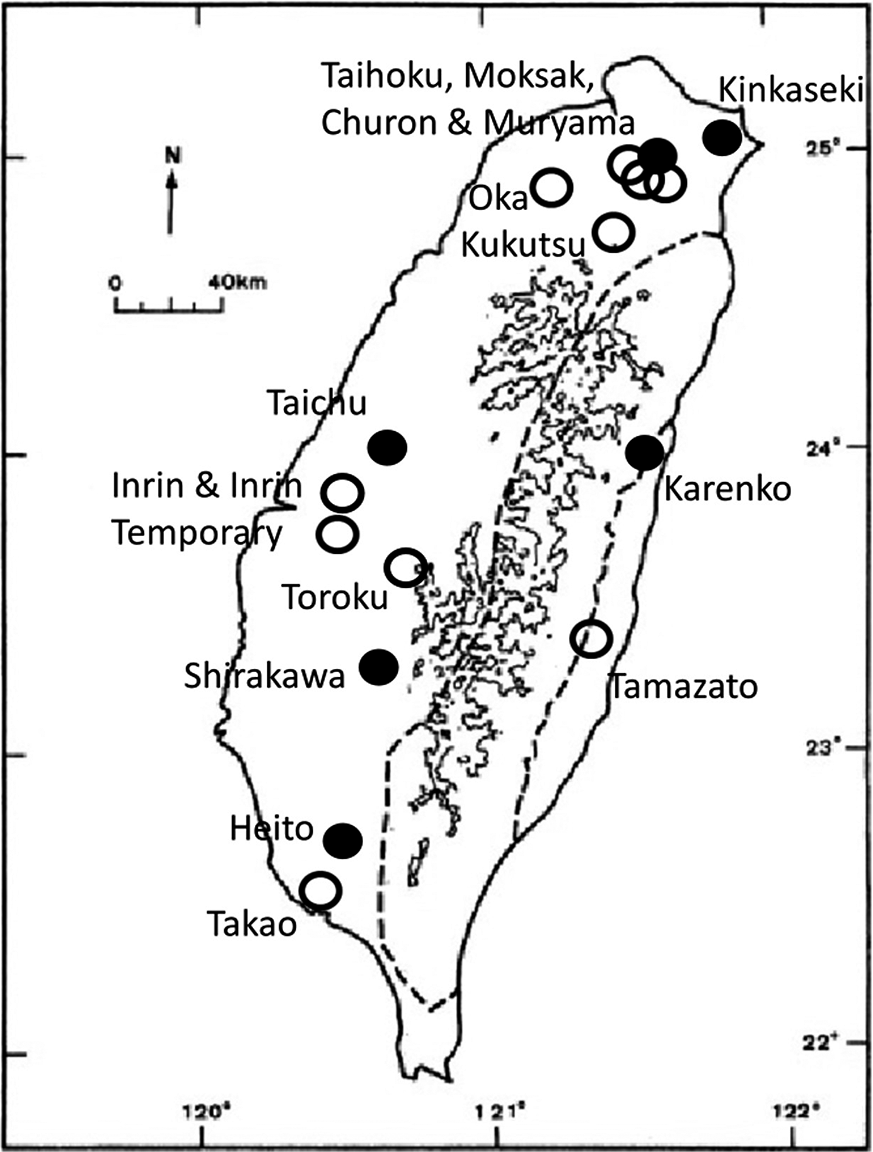
During World War II, the island of Taiwan—then known as Formosa under Japanese rule—became a network of harsh prisoner of war (POW) camps holding Allied servicemen captured across the Pacific. Beginning in 1942 and intensifying through 1944–1945, prisoners from the Philippines, Hong Kong, Singapore, and other battlefronts were transported to Taiwan, often aboard the notorious “hellships.” These voyages were frequently deadly, marked by overcrowding, starvation, disease, and Allied attacks on unmarked vessels.
Important camps included:
Kinkaseki Camp – known for its harsh conditions and dangerous mining labor
Taihoku Camps – several camps located near modern TaipeiUpon arrival, POWs were distributed among more than a dozen camps across the island.
Daily life in Taiwan’s POW camps was defined by forced labor under extreme conditions. Prisoners worked in mines, factories, docks, and construction sites, often in dangerous and physically exhausting roles. At Kinkaseki, POWs were forced deep into narrow mine shafts where heat, humidity, and poor ventilation created suffocating conditions. Many labored while malnourished, wearing inadequate clothing and suffering from untreated injuries.
Food was scarce and nutritionally deficient, typically consisting of small portions of rice and watery soup. Protein was rare, and vitamin deficiencies led to diseases such as beriberi and scurvy. Combined with overwork, these conditions left prisoners severely weakened. Medical care was minimal or nonexistent, and camp hospitals lacked basic supplies. POW doctors, themselves prisoners, did what they could with limited resources, often improvising treatments under desperate circumstances.
Japanese guards in Taiwan camps were often particularly harsh. Beatings and punishments were common, especially for those unable to keep up with labor demands. Discipline was rigid, and minor infractions could result in severe consequences. The psychological strain of captivity—compounded by isolation, uncertainty, and the constant threat of violence—took a heavy toll on prisoners.
As the war progressed, Taiwan became an increasingly important target for Allied bombing campaigns due to its industrial and strategic significance. POWs in camps near military or industrial sites were frequently exposed to air raids. In some cases, prisoners were forced to continue working during bombings or were denied access to adequate shelter. Ironically, while these raids targeted Japanese infrastructure, they also endangered the lives of the POWs held nearby.
Despite the brutality of their conditions, many prisoners demonstrated remarkable resilience. They formed support networks, shared food, and maintained morale through small acts of resistance and solidarity. Some kept secret records, diaries, or drawings that later provided valuable testimony about camp conditions and treatment.
By 1945, as Japan’s position deteriorated, conditions in Taiwan’s POW camps worsened further. Supplies dwindled, and prisoners faced increasing uncertainty about their fate. Liberation finally came after Japan’s surrender in August 1945, when surviving POWs were freed by Allied forces. Many were in critical condition, suffering from severe malnutrition, disease, and long-term physical and psychological effects.
Today, the history of POW camps in Taiwan stands as a vital part of the broader narrative of wartime captivity in the Pacific. Memorials and research efforts—supported by organizations such as the Taiwan POW Camps Memorial Society—continue to preserve the memory of those who suffered and died there, ensuring their experiences are not forgotten.
POW Camps in Japan: Forced Labor in the Japanese Home Islands
During World War II, thousands of Allied prisoners of war (POWs) were transported to the Japanese home islands, where they were held in a network of camps and subjected to forced labor in support of Japan’s war industry. Many of these men had already endured captivity in places such as the Philippines, Singapore, or China, and were transported to Japan aboard the notorious “hellships,” where conditions were often so brutal that many did not survive the journey.
Once in Japan, POWs were assigned to camps operated by the Japanese military and often attached to industrial sites. Camps such as Ōmori Camp near Tokyo and various subcamps in the Fukuoka POW Camp system were typical of the system. These camps were closely linked to factories, coal mines, shipyards, and steel mills, where prisoners were forced to work under harsh and dangerous conditions.
Forced labor was the central feature of life in Japanese POW camps. Prisoners worked long hours—often 10 to 16 hours per day—performing physically demanding tasks such as loading cargo, mining coal, constructing ships, and operating heavy industrial machinery. Safety precautions were minimal, and accidents were common. In coal mines, prisoners labored in cramped, poorly ventilated tunnels, while those in factories were exposed to extreme heat, toxic fumes, and heavy equipment.
Food shortages were severe and worsened as the war progressed. Rations typically consisted of small portions of rice, sometimes supplemented with vegetables or watery soup. Protein and fats were extremely limited, leading to chronic malnutrition. Many prisoners suffered from diseases associated with vitamin deficiencies, including beriberi and pellagra, as well as dysentery and tuberculosis. Medical care was inadequate, and POW doctors often had little more than basic tools and improvised treatments at their disposal.
Japanese guards enforced discipline with strict—and often brutal—methods. Beatings were common, particularly for prisoners who failed to meet work quotas or violated camp rules. Punishments could be arbitrary, and the treatment of prisoners varied depending on the camp commander and guards. While some individuals showed occasional leniency, many camps were marked by a culture of harsh discipline and intimidation.
As Allied bombing campaigns intensified over Japan in 1944 and 1945, POWs found themselves increasingly in danger. Many camps were located near industrial targets, making them vulnerable to air raids. Prisoners were often required to continue working during bombing alerts, and in some cases, were denied access to adequate shelters. Ironically, the effort to weaken Japan’s war capacity placed POWs at additional risk.
Despite these conditions, prisoners demonstrated remarkable resilience. They formed support networks, shared food, and maintained morale through camaraderie, humor, and quiet acts of resistance. Some kept secret diaries or records, preserving vital evidence of their experiences for future generations.
By the summer of 1945, conditions in Japanese POW camps had reached a critical point. Food supplies were nearly exhausted, and many prisoners were severely weakened. Following Japan’s surrender in August 1945, Allied forces began liberating the camps. Survivors were often found in dire physical condition, suffering from extreme malnutrition and disease.
The legacy of POW camps in Japan remains a powerful reminder of the human cost of war. These camps were not merely places of confinement but centers of forced labor that played a direct role in sustaining Japan’s wartime economy. The experiences of those who endured captivity there continue to inform our understanding of the Pacific War and the enduring importance of remembrance and historical accountability.
The Role of Hellships in the Japanese POW Camp System
The hellships were a critical—yet often overlooked—component of the Japanese prisoner of war (POW) camp system during World War II. These vessels were not purpose-built prison transports, but rather ordinary cargo ships, tankers, and freighters repurposed to move Allied prisoners across the vast distances of the Japanese Empire. In effect, they formed the connective tissue of the entire POW network, linking camps in the Philippines, Southeast Asia, China, Taiwan, and Japan into a single, brutal system of forced labor and exploitation.
As Japan’s war effort expanded, so too did its demand for labor. Prisoners captured in places such as the Bataan Death March or the Battle of Singapore were initially held in regional camps like Cabanatuan or Changi. However, these camps were only the first stage. By 1943 and especially 1944, Japan began systematically transferring POWs to areas where labor was urgently needed—mines in Japan, construction sites in Formosa (Taiwan), and infrastructure projects like the Burma–Thailand Railway.
This mass movement of prisoners was made possible by the hellships.
Conditions aboard these vessels were appalling. POWs were packed into cargo holds designed for freight, not human beings. Hundreds—sometimes over a thousand—men were crammed into dark, unventilated spaces with little room to sit or lie down. Sanitation was virtually nonexistent; buckets served as latrines and quickly overflowed. Fresh water was scarce, and food rations were minimal, often consisting of small portions of rice. The heat in tropical waters turned the holds into suffocating ovens, while storms and rough seas added further misery.
One of the most defining—and tragic—features of the hellships was that they were unmarked. Unlike hospital ships, they carried no insignia indicating the presence of POWs. As a result, they were legitimate targets for Allied submarines and aircraft seeking to disrupt Japanese shipping. This led to numerous catastrophic incidents in which Allied forces unknowingly attacked ships carrying their own captured comrades.
Ships such as the Oryoku Maru, Arisan Maru, and Junyo Maru became synonymous with these tragedies. In many cases, survivors of initial attacks were left trapped in sinking ships, shot while attempting to escape, or abandoned at sea. The death toll from hellship voyages alone reached into the tens of thousands, making them one of the deadliest aspects of POW captivity in the Pacific.
Beyond the immediate suffering they caused, hellships played a strategic role in sustaining Japan’s war economy. By transporting POWs to labor sites across the empire, they enabled the exploitation of prisoner labor on a massive scale. Coal mines in Japan, copper mines in Taiwan, and railway construction in Southeast Asia all depended, in part, on the steady flow of prisoners delivered by these ships.
In this sense, the hellships were not merely a method of transport—they were an extension of the camp system itself. The journey between camps was often as deadly as the camps themselves, blurring the line between transit and incarceration. For many prisoners, survival was measured not only by enduring camp conditions but by surviving the voyage that took them there.
Today, the legacy of the hellships stands as a stark reminder of the scale and brutality of the Japanese POW system. They represent a hidden chapter of the war—one in which the ocean itself became a prison, and for thousands, a grave.
Liberation of POW Camps
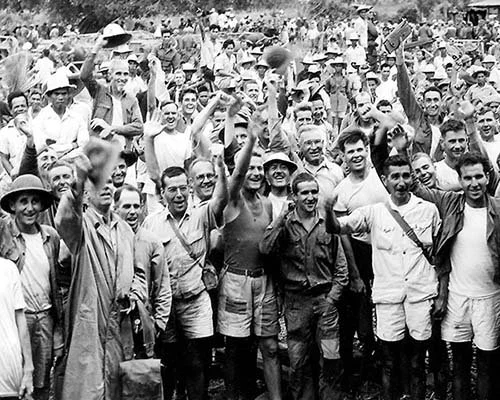
The liberation of prisoner of war (POW) camps across the Pacific in 1944 and 1945 marked one of the most powerful and emotional chapters of World War II. For thousands of Allied prisoners—many of whom had endured years of starvation, disease, forced labor, and brutality—liberation came as both a moment of salvation and a stark revelation of the physical toll of captivity.
As Allied forces advanced across the Pacific, retaking territory from Japanese control, they began uncovering a vast and interconnected network of POW camps. These ranged from jungle labor camps along the Burma–Thailand Railway to industrial camps in Japan, mining camps in Taiwan, and transit centers in the Philippines. Each liberation revealed similar patterns: emaciated prisoners, widespread disease, and evidence of severe mistreatment.
One of the earliest and most dramatic rescues occurred in the Philippines with the Raid at Cabanatuan on January 30, 1945. Intelligence reports suggested that the remaining prisoners at Cabanatuan were in imminent danger of execution as Japanese forces retreated. In response, U.S. Army Rangers, Alamo Scouts, and Filipino guerrillas launched a daring nighttime assault, successfully freeing over 500 prisoners. The operation not only saved lives but also demonstrated the urgency and importance placed on rescuing POWs before they could be harmed.
Elsewhere in the Philippines, as American forces advanced during the Battle of Manila, they liberated facilities such as Bilibid Prison, where surviving prisoners were found in severely weakened conditions. Many had been awaiting transport aboard hellships, a fate that often proved fatal. Their rescue came just in time, as conditions in these camps had deteriorated sharply in the final months of the war.
In other parts of the Pacific, liberation often came more gradually. Camps in Burma, Thailand, and Taiwan were freed as Japanese control collapsed, while POWs held in Japan itself were liberated only after the country’s surrender in August 1945. In some cases, Allied aircraft dropped supplies to prisoners before ground forces could arrive, providing desperately needed food, medicine, and clothing.
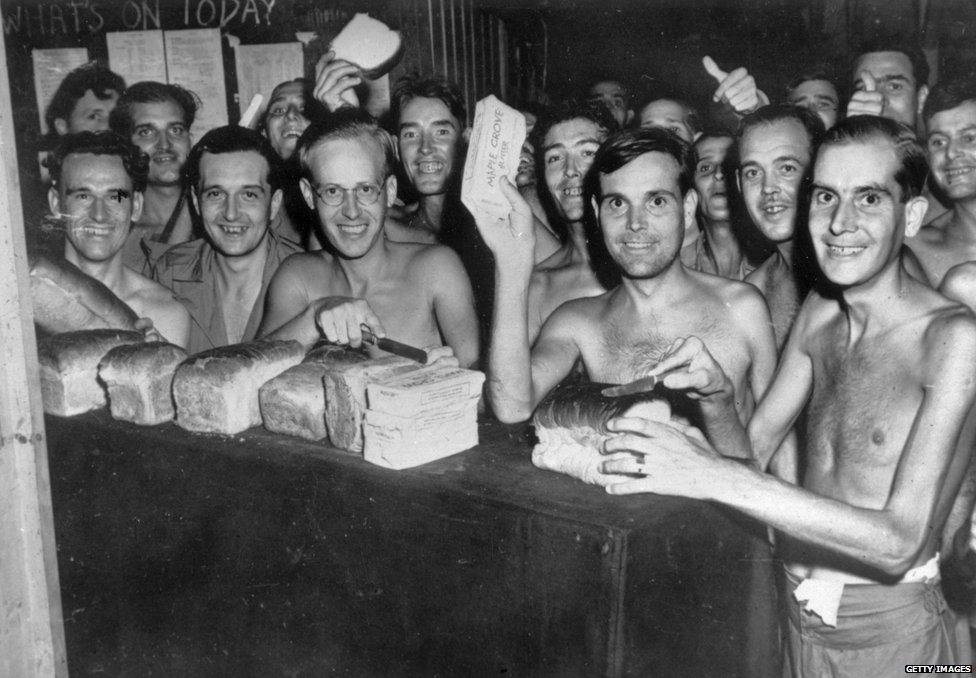
The condition of liberated prisoners shocked even seasoned soldiers. Many POWs were severely malnourished, suffering from diseases such as beriberi, dysentery, and tuberculosis. Some could barely walk; others were too weak to stand. Medical teams worked urgently to stabilize survivors, though recovery was often slow and complicated. The effects of prolonged starvation and abuse could not be reversed overnight, and many former prisoners faced long-term health issues.
Liberation also brought emotional and psychological challenges. For years, POWs had lived under constant threat, uncertainty, and deprivation. The sudden transition to freedom was overwhelming. While there was joy and relief, there was also grief—for those who had died, for lost years, and for the trauma endured. Many survivors carried these experiences with them for the rest of their lives.
The liberation of POW camps also played a crucial role in documenting wartime atrocities. Survivor testimonies, along with physical evidence found in camps, contributed to postwar war crimes trials. These accounts helped bring attention to the treatment of POWs and ensured that these events would not be forgotten.
Ultimately, the liberation of POW camps was more than a military achievement—it was a humanitarian milestone. It marked the end of one of the darkest aspects of the Pacific War and the beginning of a long process of healing and remembrance. The images of liberated prisoners—frail but alive—remain enduring symbols of resilience, survival, and the enduring human spirit in the face of unimaginable hardship.
Remembering the Prisoners of War: Honoring Sacrifice and Preserving Memory
The story of Allied prisoners of war (POWs) in the Pacific during World War II is one of endurance, suffering, and extraordinary resilience. Tens of thousands of soldiers and civilians were captured following battles such as the Bataan Death March and the Battle of Singapore, only to face years of captivity in brutal conditions across a vast network of camps. From the jungles of Southeast Asia to the mines of Japan and the deadly voyages aboard hellships, their experiences form one of the most powerful—and often underrecognized—chapters of the war.
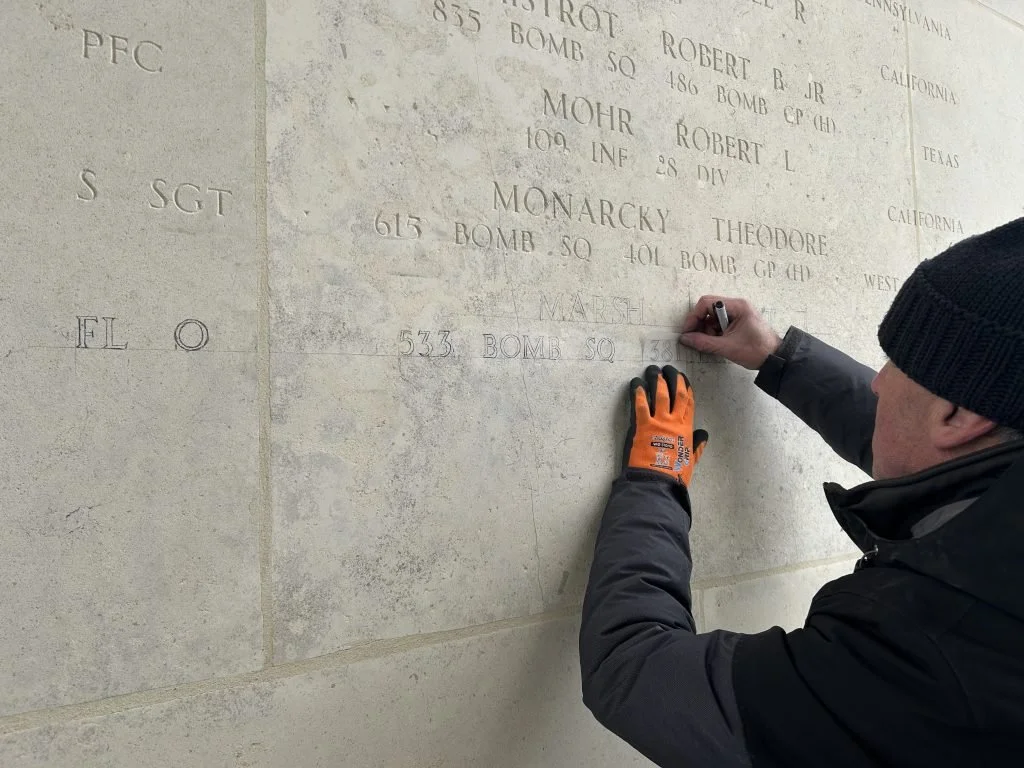
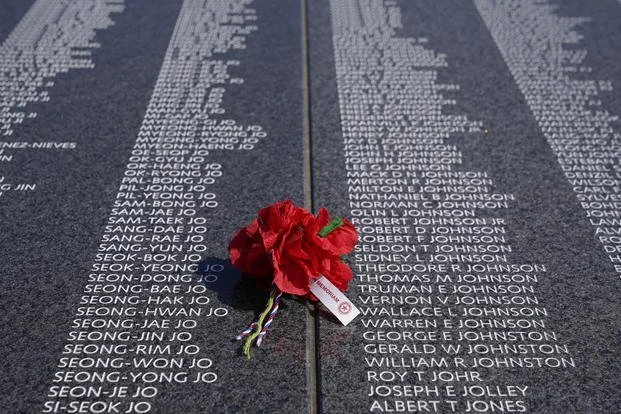
Remembering these prisoners is not simply an act of looking back; it is a responsibility to ensure that their suffering, courage, and sacrifice are never forgotten. For many POWs, survival itself was an act of defiance. They endured starvation, disease, forced labor, and physical abuse, yet maintained bonds of solidarity and humanity that carried them through unimaginable hardship. Thousands, however, did not survive. Many perished anonymously—lost at sea on unmarked prison ships, buried in remote camps, or memorialized only by name on distant walls.
In the decades following the war, efforts to honor these men have taken many forms: memorials, historical research, survivor testimonies, and educational initiatives. Yet large gaps in recognition remain, particularly concerning those who died aboard the infamous hellships. These vessels—such as the Oryoku Maru and Arisan Maru—became floating prisons where thousands of POWs perished in conditions of extreme neglect, often without proper documentation or burial.
It is within this context that the Hellships Memorial Foundation has emerged with a clear and vital mission: to honor, document, and preserve the memory of all Allied prisoners who suffered and died aboard Japanese hellships and within the wider POW system of the Pacific War. The foundation seeks to ensure that these individuals are not reduced to statistics, but are remembered as men with names, stories, families, and legacies.
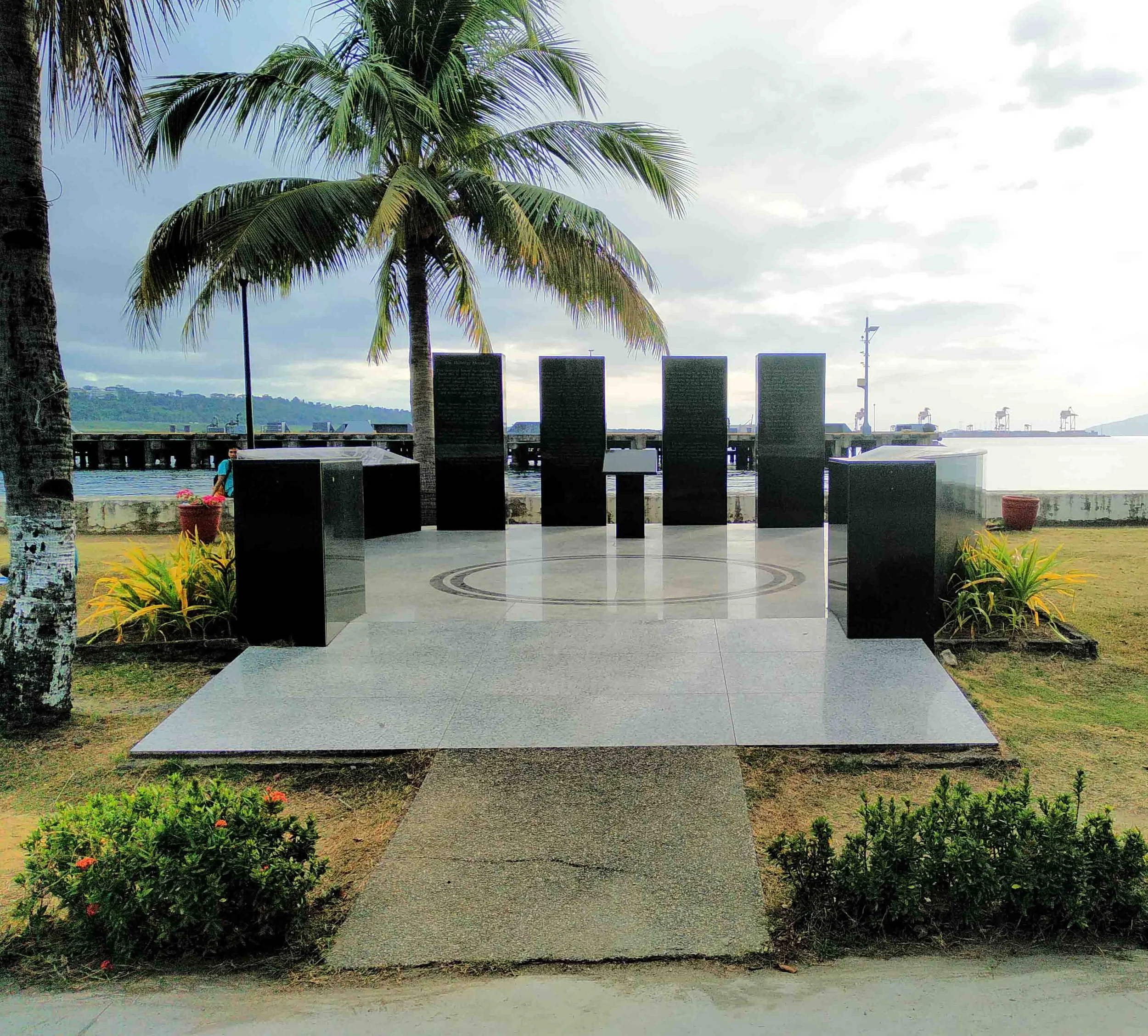
Central to this mission is the creation of a permanent memorial—situated along the ocean where many of these tragedies occurred. This physical space is envisioned not merely as a monument of stone, but as a place of reflection, education, and connection. Visitors will be able to engage with the history on a personal level, understanding the scale of the tragedy while honoring the individuality of each life lost.
Equally important is the foundation’s commitment to building a comprehensive digital archive. Through ongoing research, data collection, and collaboration with historians and families, the foundation is working to compile detailed records of POWs, hellship voyages, and camp histories. This archive will serve as both a scholarly resource and a living memorial—accessible to descendants, researchers, and the public worldwide.
Education is another cornerstone of remembrance. By sharing these stories through articles, presentations, documentaries, and school programs, the foundation aims to bring greater awareness to a chapter of history that has too often remained in the shadows. In doing so, it ensures that future generations understand not only what happened, but why it must never be forgotten.
To remember the POWs is to restore their voices across time. It is to acknowledge their suffering, honor their endurance, and affirm their place in history. Through the work of the Hellships Memorial Foundation and others dedicated to this cause, their legacy will endure—carried forward not in silence, but in remembrance.
For more information on Japanese POW Camps, visit these pages:
caption

caption
caption
caption
caption
caption
caption
caption
Japanese POW Camps in Hong Kong (1941–1945)
Following the Battle of Hong Kong, more than 10,000 Allied soldiers—British, Canadian, Indian, and others—were taken prisoner by Japanese forces. These men were distributed across a network of camps in Hong Kong, forming the first stage of captivity before many were later transported to Japan and other territories.
The main POW camps established by the Japanese included:
Sham Shui Po Camp (primary camp)
North Point Camp
Argyle Street Camp (officers)
Ma Tau Chung Camp (primarily Indian troops)
Conditions across all camps were marked by overcrowding, disease, malnutrition, and brutality, consistent with the broader POW experience in the Pacific.
Sham Shui Po POW Camp
The Central POW Camp of Hong Kong
Sham Shui Po Barracks was the main POW camp in Hong Kong, operating from the early days of the occupation until Japan’s surrender in 1945.
The Camp
Originally a British military barracks, the site was converted into a POW camp immediately after the surrender. It became the primary holding facility for Allied prisoners, including British, Canadian, and Indian troops.
By 1945, it was effectively the last remaining POW camp in Hong Kong, aside from a small hospital facility.
Conditions
Conditions were severe:
Overcrowded barracks
Severe food shortages
Lack of medical care
Disease outbreaks (including a deadly diphtheria epidemic in 1942)
Many prisoners died here before ever being transported elsewhere.
Role in the Hellship System
Sham Shui Po played a crucial role in the wider POW network:
All major POW transports to Japan departed from here
This makes it directly linked to:
Hellships
Forced labor camps in Japan
The broader Pacific POW system
Legacy
Today, the site is commemorated at Sham Shui Po Park, where memorial plaques and trees honor those who died in captivity.
North Point POW Camp
The First Holding Camp on Hong Kong Island
North Point Camp was one of the earliest POW camps established immediately after the Japanese invasion in December 1941.
The Camp
Originally built as a refugee camp, it was quickly repurposed to hold:
Canadian troops
Royal Navy personnel
Captured Allied soldiers from early battles
Conditions
Conditions were extremely poor:
Severe overcrowding
Unsanitary living conditions
Inadequate food
Disease and starvation were the primary threats to prisoners.
Closure and Transfer
By September 1942:
Prisoners were transferred to Sham Shui Po Barracks
The camp was closed
Historical Significance
North Point served as:
The initial intake and processing camp
A key early stage in the POW pipeline
Argyle Street Camp
The Officers’ Camp of Hong Kong
Argyle Street Camp was primarily used to house Allied officers during the Japanese occupation.
The Camp
Initially a refugee facility, it was converted into a POW camp shortly after the surrender.
By mid-1942:
It became a dedicated officers’ camp
Reopened after escape attempts from other camps
Role in the POW System
Argyle Street served a specialized function:
Separation of officers from enlisted men
Tighter control following escape incidents
Later Use
Officers were later transferred back to Sham Shui Po in 1944
The camp then housed Indian POWs
Legacy
Today, there is no major memorial at the site, reflecting how many POW locations in Hong Kong remain largely unmarked.
Ma Tau Chung Camp
The Camp for Indian POW
Overview
Ma Tau Chung Camp was used primarily for Indian soldiers captured during the Battle of Hong Kong.
The Camp
Originally a refugee camp, it was adapted by the Japanese to house:
Indian POWs
“undesirable” or non-cooperative prisoners
Conditions
Conditions mirrored other camps:
Poor sanitation
Limited food
Harsh discipline
Closure
The camp was closed in 1944, with the remaining prisoners transferred to other camps such as Argyle Street.
Historical Role
Ma Tau Chung highlights:
The segregation of POWs by nationality
The Japanese effort to recruit Indian soldiers
caption