News and Research Articles
Latest information on WWII Hellships, POW transport ships, survivor testimony, and casualty research.

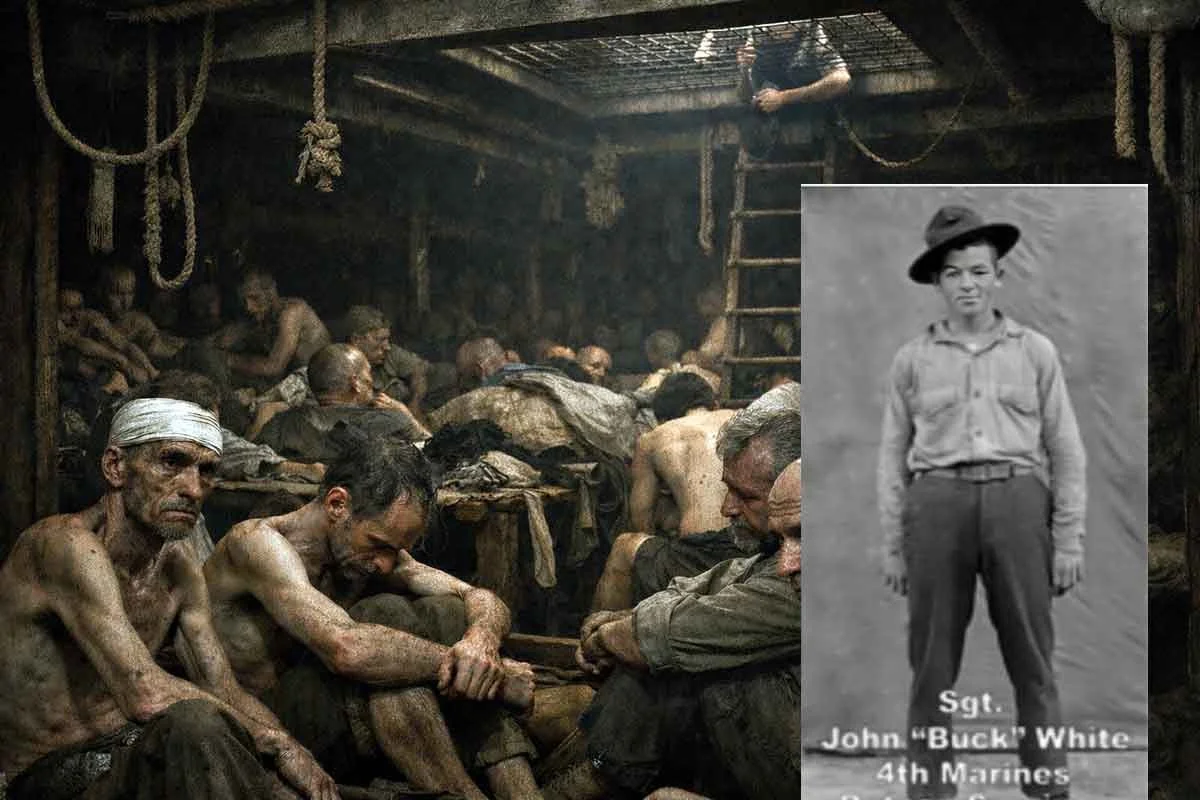
A Marine's Unimaginable Journey: Remembering Gunnery Sergeant John T. White
A Marine's Unimaginable Journey: Remembering Gunnery Sergeant John T. White
Gunnery Sergeant John T. White survived things that would have broken most men. The thing that killed him was friendly fire.
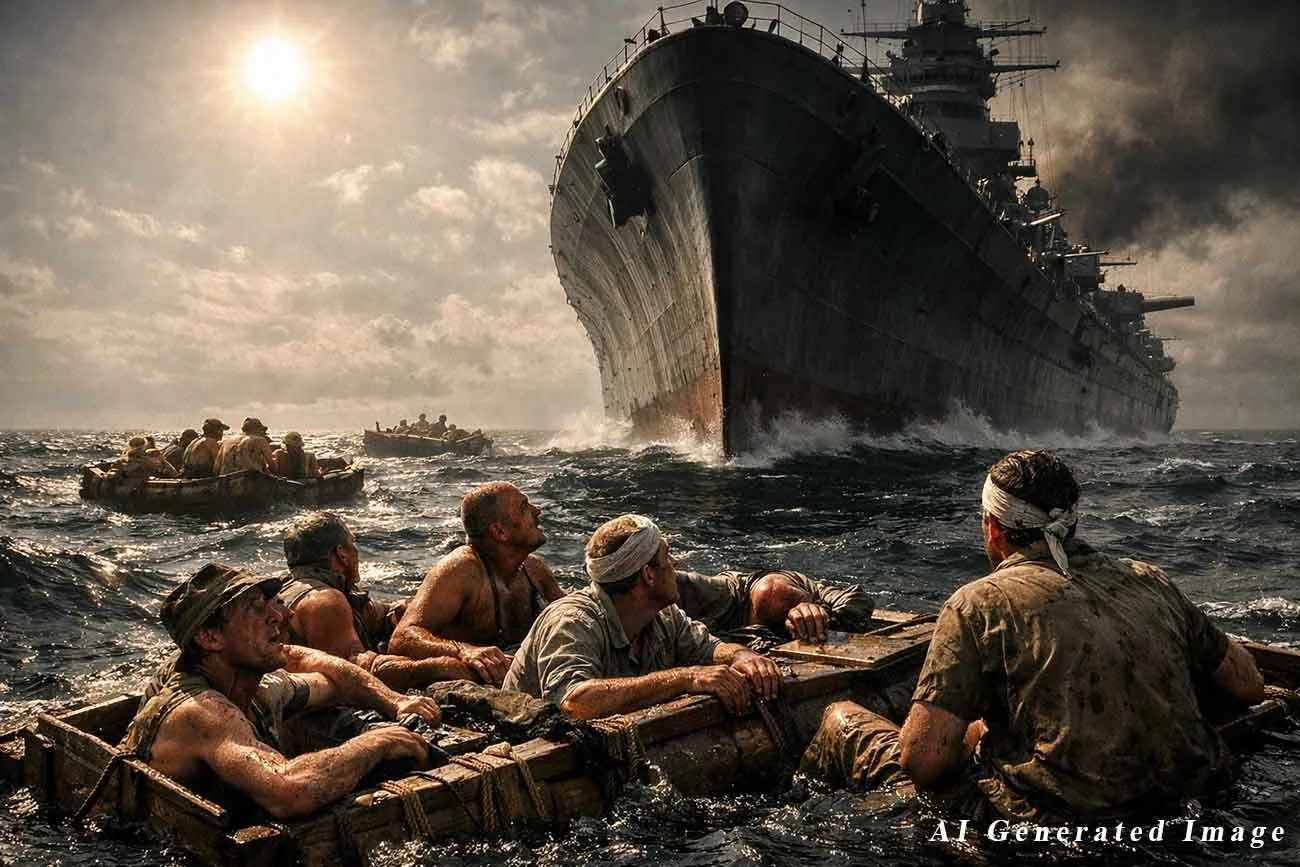
The Rakuyō Maru Tragedy
In the vast expanse of the Pacific Ocean lies one of the most heartbreaking and complex stories of World War II. It is the story of the Japanese Hellship Rakuyō Maru, a tragedy defined by immense suffering and a miraculous submarine rescue.
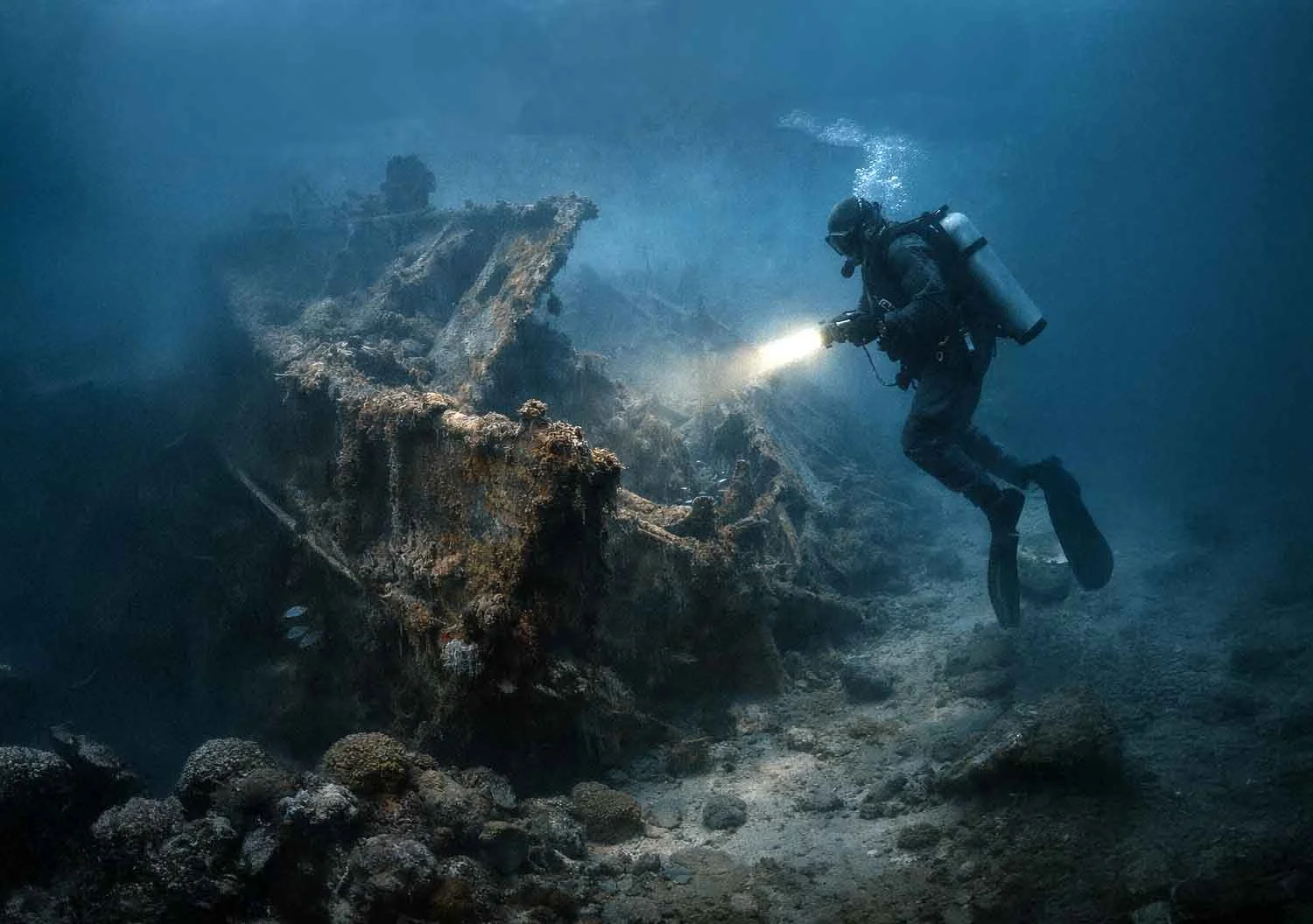
Still Entombed: A News Review of the Hunt for America's WWII Hell Ship Dead
Eight decades after American bombs unknowingly sent over 1,600 Allied prisoners to the bottom of Subic Bay, the Pentagon has launched one of its largest-ever underwater recovery operations to bring some of them home.
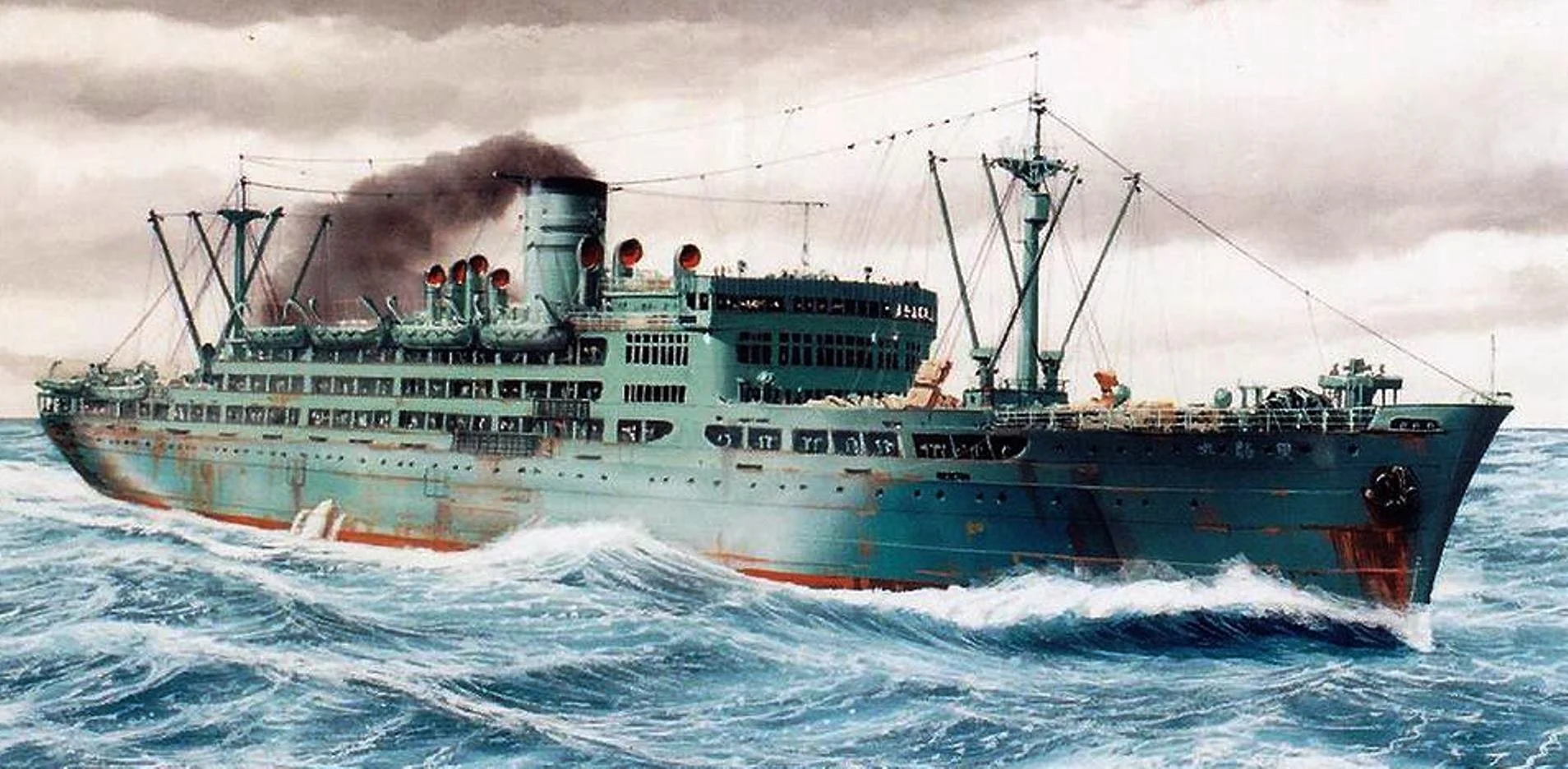
Painting the Hell Ships: The Left-Handed Legacy of Kihachiro Ueda
Vivid, detailed depictions of thes Hellships—survives thanks to the extraordinary dedication and tragic personal history of a single Japanese naval artist: Kihachiro Ueda (上田毅八郎). His left-handed legacy stands as a poignant intersection of military history, personal trauma, and artistic resilience.
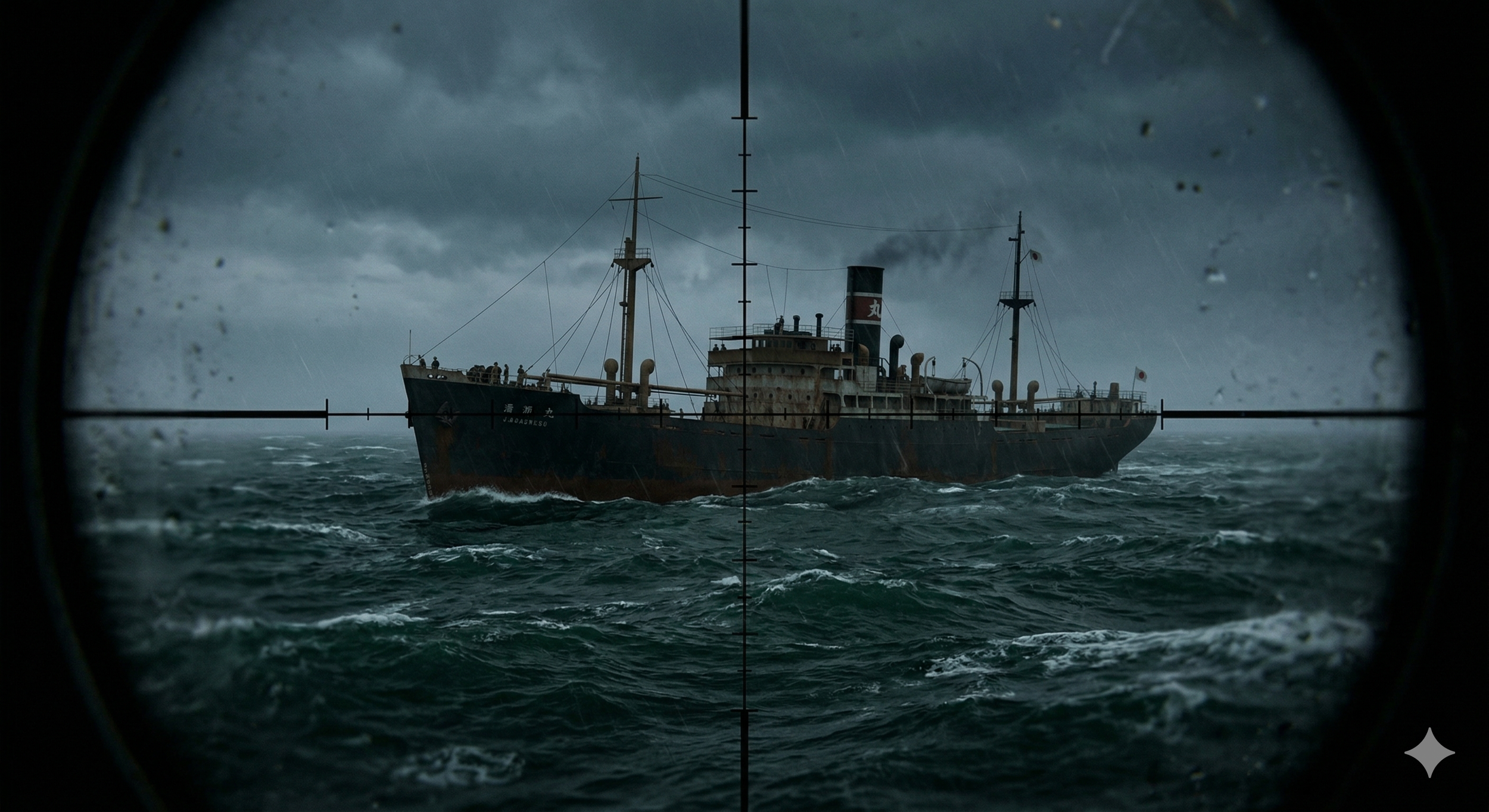
Intelligence or Ignorance? The Debate Over WWII's Deadliest Friendly Fire
During the brutal expanse of the Pacific War, one of the most harrowing paradoxes emerged: the greatest cause of death for Allied prisoners of war at sea was not direct Japanese execution or disease, but rather the bombs and torpedoes of their own military forces.
Justice for the Oryoku Maru: The San Fernando Murders and War Crimes Trials
The harrowing events surrounding Oryoku Maru culminated in a postwar quest for justice, leading to the Yokohama war crimes trials where the perpetrators of the infamous San Fernando murders finally faced judgment.
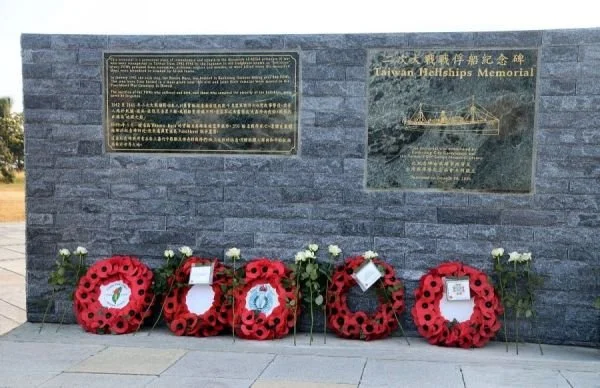
Taiwan POW Camps Memorial Society
There is another major memorial dedicated to the Hellships in the Taiwan War and Peace Park in Kaohsiung, Taiwan. It was erected by the Taiwan POW Camps Memorial Society and also dedicated in January 2006.

Uncovering the Truth Beneath the Waves: Reconstructing the Final Voyages of the Hellships
For more than eighty years, the men who perished aboard Japan’s World War II prisoner-of-war transport ships—known to history as the Hellships—have remained scattered across the world’s oceans, their resting places uncertain, their stories fragmented across nations and archives.

John Duresky Joins the Team
We are pleased to announce the appointment of John Duresky as our Advocate for North America and Japan.

Timothy Beckensall has joined the Hellships Memorial team as Advocate, Australia.
I’m pleased to share that Timothy Beckensall has joined the Hellships Memorial team as Advocate, Australia. The Hellships Memorial at Subic Bay, Philippines, established and continues to support the Philippines MIA Search and Recovery Project.

Podcast: The Unseen Tragedy of Imperial Japan's Floating Dungeons and Unintentional Allied Attacks
In this podcast we examine the tragic dual nature of the Hell Ship tragedy: the deliberate cruelty of Japanese transport conditions and the heartbreaking incidents where Allied forces, unaware that POWs were aboard unmarked vessels, inadvertently sank ships carrying their own countrymen. Ships like the Arisan Maru, Oryoku Maru, and Junyo Maru became floating tombs for Allied servicemen.

Cruise of Death: The True Story of the Oryoku Maru Hellship
This video takes you on a journey through one of the most brutal and tragic events of World War II - the Japanese hell ships. The Oryoku Maru was one of many prison ships used by the Japanese to transport American POWs from Manila to Japan, and the conditions on board were nothing short of inhumane. Through a combination of present-day footage and historical photos and videos, we will take a closer look at the 49 days of suffering that these men endured, including starvation, disease, suffocation, and murder at the hands of the Japanese.


The Arisan Maru: When Hope Met the Depths - A Story of Faith and Final Sacrifice
In the suffocating darkness of the Oryoku Maru's cargo holds, where 1,619 Allied prisoners of war were crammed together like cattle, extraordinary acts of humanity emerged from the depths of despair. These men, already weakened by years of brutal captivity, found ways to preserve not just their lives, but their souls, through small acts of compassion that would define their final hours together.

The Dark Side of War: The Tragedy of Japanese Hellships.
This video is a chilling and heartbreaking journey into the depths of human suffering and cruelty during WWII. The Japanese Hell Ships were a brutal reality for thousands of Allied prisoners of war, who were forced to endure inhumane conditions as they were transported across the Pacific. The footage and stories featured in this video give a haunting glimpse into the horrors of the Japanese Hell Ships, where prisoners were crammed into cargo holds with little air, food, or water, and were subjected to brutal treatment by their captors.

Allied intelligence and military actions’ impact on the fate of Japanese "hell ships" during World War II
Allied intelligence and military actions significantly impacted the fate of Japanese "hell ships" during World War II, though often with tragic unintended consequences for the Allied prisoners of war (POWs) onboard. These hell ships were Japanese merchant vessels, requisitioned by the Imperial Japanese Navy and Army, to transport Allied POWs and Asian forced slave laborers from occupied territories to various locations for forced labor, under extremely inhumane conditions.

The Oryoku Maru: A Tragic Chapter in WWII's Hell Ships
In the dark annals of World War II, few stories embody the horror and tragedy of war quite like that of the Oryoku Maru. This Japanese passenger vessel, converted for military use, became the scene of one of the most devastating incidents involving Allied prisoners of war during the Pacific conflict.

What Were the Hellships?
During World War II, the term “hell ship” came to describe one of the most notorious aspects of the Pacific War—the unmarked Japanese transport vessels that carried Allied prisoners of war (POWs) and civilian internees under unimaginable conditions. These ships were not built for passengers; most had been ordinary freighters or cargo vessels hastily converted into makeshift transports. T