An Educational Walkthrough
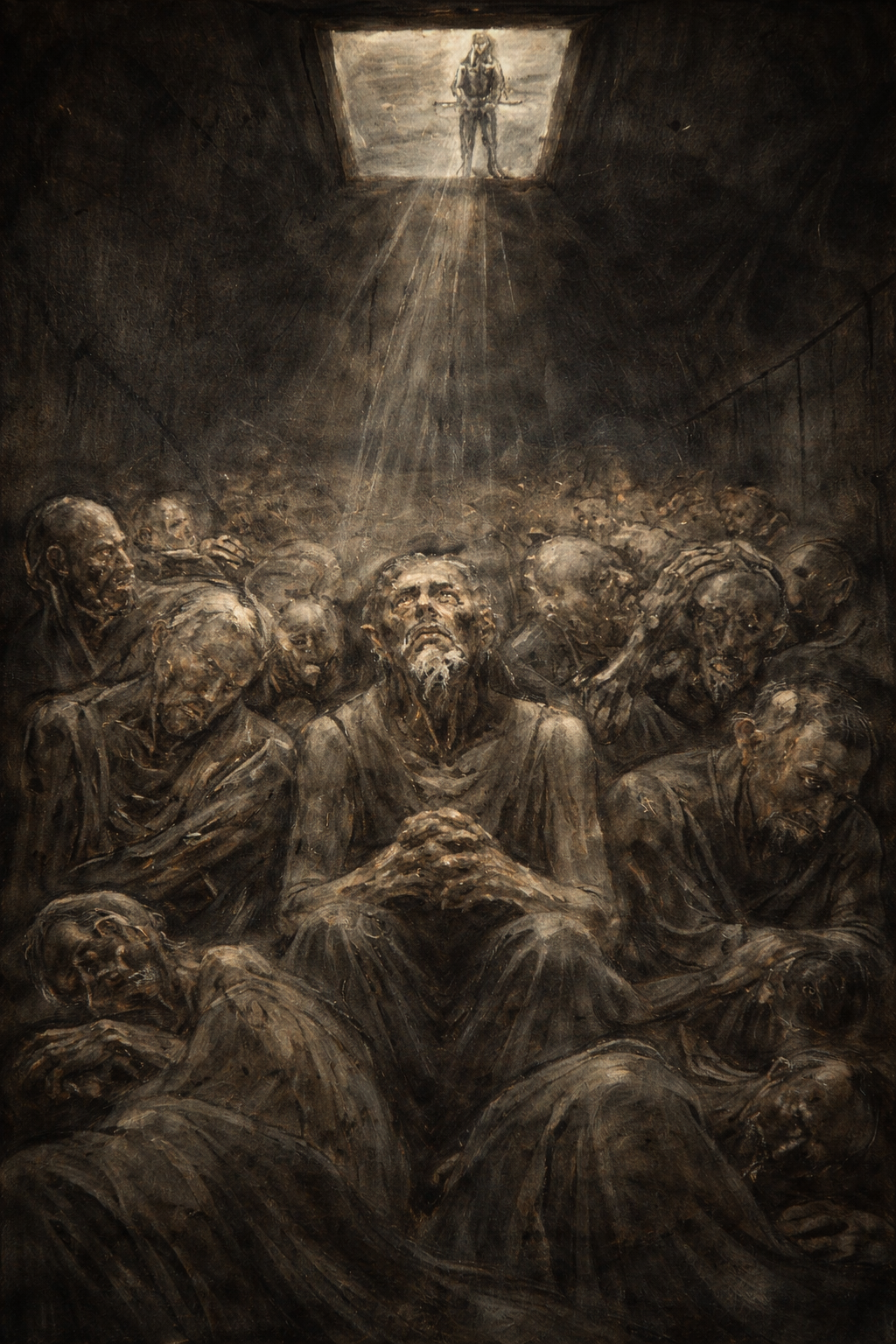
The story of the Japanese Hellships of World War II cannot be understood through a single ship or disaster. Thousands of prisoners of war and forced laborers were transported across the Pacific in unmarked cargo ships under brutal conditions.
This walkthrough introduces the history step by step—explaining the ships, the voyages, the human experience aboard them, and the broader system of forced labor and wartime transport.
From here you can follow the stations in sequence, explore individual ship pages, or continue into the research and historical archives of the Hellships Memorial website.
Walkthrough Stations
Station 1 — What Were the Hellships?
An introduction to the Japanese Hellships, the POW transport system, and why these voyages became one of the great humanitarian tragedies of the Pacific War.
Station 2 — Life in the Holds
What prisoners endured below deck: darkness, heat, overcrowding, thirst, disease, filth, and fear inside the transport holds.
Station 3 — What Happened After a Sinking
Escape from the holds was only the beginning. Learn about drowning, exposure, gunfire, rescue, recapture, and survival at sea.
Station 4 — Why the Hellships Were Unmarked
Why Allied submarines and aircraft attacked these ships, and why the lack of markings became central to the tragedy.
Station 5 — The Hellships and Forced Labor
The Hellships were part of a wider wartime labor system that moved prisoners to mines, railways, docks, factories, and camps across the Japanese empire.
Station 6 — Romusha and the Hellships
A broader view of the story, including the Asian forced laborers whose suffering was central to many Hellship voyages and sinkings.
Station 7 — Missing, Dead, and Uncertain
Why casualty totals vary, why some men remained listed as missing, and how researchers work through incomplete or conflicting records.
Station 8 — Explore the Ships
Continue from the walkthrough into the individual ship pages, where the larger history can be explored through specific voyages, sinkings, casualties, and survivors.