

Amazon Books
Every purchase you make through our Amazon Store helps preserve the history of the Allied prisoners of war who endured the Japanese Hellships during World War II.
As an Amazon Associate, the Hellships Memorial Foundation earns from qualifying purchases. This comes at no additional cost to you. The small commission we receive helps support our ongoing research, educational outreach, memorial preservation, and the development of the world's first Hellships Memorial Museum.
Thank you for shopping through our store and helping us ensure that the sacrifices of these men are never forgotten.
Belly of the Beast: A POW's Inspiring True Story of Faith, Courage, and Survival aboard the Infamous WWII Japanese Hell Ship Oryoku Maru
On December 13, 1944, American POW Estel Myers was forced aboard the Japanese prison ship Oryoku Maru with more than 1,600 fellow prisoners. By the journey's end, over 1,100 had died.
After nearly three years in captivity, Myers endured unimaginable suffering aboard a Japanese "hell ship," where starvation, disease, dehydration, and brutality claimed countless lives. Against overwhelming odds, he survived.
This powerful memoir tells the story of one of World War II's most overlooked tragedies, honoring the courage, endurance, faith, and resilience of the Allied prisoners who endured the Hellships.
Now available in paperback, Death on the Hellships chronicles the true dimensions of the Allied POW experience at sea. It is a disturbing story; many believe the Bataan Death March even pales by comparison. Survivors describe their ordeal in the Japanese hellships as the absolute worst experience of their captivity. Crammed by the thousands into the holds of the ships, moved from island to island and put to work, they endured all the horrors of the prison camps magnified tenfold. Gregory Michno draws on American, British, Australian, and Dutch POW accounts as well as Japanese convoy histories, declassified radio intelligence reports, and a wealth of archival sources to present a detailed picture of the horror.
More than 140,000 POWs fell to the Japanese Imperial Army and Navy in the Second World War. Raymond Lamont-Brown's chilling account also covers the barbaric actions of the Imperial Japanese Navy in the wake of its attacks on Allied merchant shipping, from the ramming of lifeboats, attacks on hospital ships, the machine-gunning of survivors in the water, to the beheading of naval captives. Whereas many other accounts of Japanese atrocities have concentrated on the fate of POWs on land, the author has researched original Japanese records and drawn on eyewitness accounts to write this frightening account of Japanese barbarity against defenseless prisoners of war at sea
This second book in the two book series follows the survivors as they flee the Oryoku Maru and board a second ship; a vessel also destroyed by American aircraft while the ship lay docked on the island of Taiwan. The few prisoners still alive and able to move about on their own are packed into a third Hell ship and brought to Kyushu, Japan. Once ashore, and facing cold winds and snow flurries while wearing shorts and ragged shirts from the Philippine prison camps, they are separated and sent off to work in mines and factories in Japan and elsewhere as slave laborers. An eyewitness account and official court records of the Yokohama tribunal conclude this second segment.
This is a true story using literary license to fill voids where documentation appears not to exist. The names of the seven main characters of Hell Ships are fictitious and any resemblance to any person living or dead is purely circumstantial. The names of some of the survivors are displayed in order to make them known and forever remembered for their ordeals, their heroism, and their service to country.
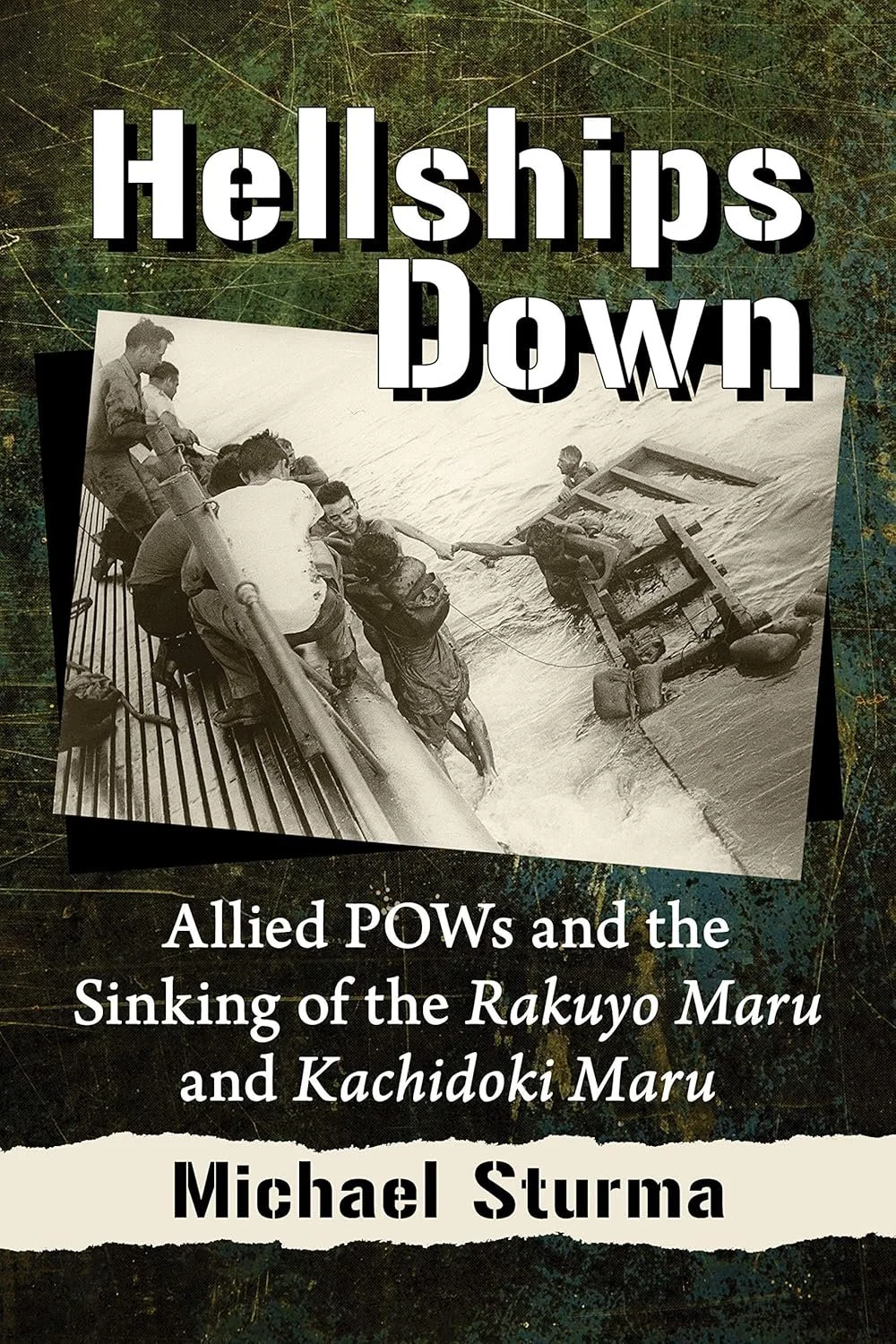
On 12 September 1944, a wolfpack of U.S. submarines attacked the Japanese convoy HI-72 in the South China Sea. Among the ships sunk were two carrying Allied prisoners of war. Men who had already endured the trials of Japanese captivity faced a renewed struggle for survival at sea.
This book tells the broader story of the HI-72 convoy through the stories of two survivors: Arthur Bancroft, who was rescued by an American submarine, and Charles "Rowley" Richards, who was rescued by the Japanese. The story of these men represents the thousands of Allied POWs who suffered not only the atrocious conditions of these Japanese hellships, but also the terror of friendly fire from their own side's submarines. For the first time, the personal, political and legal aftermath of these men's experiences is fully detailed. At its heart, this is a story of survival. Charting the survivors' fates from rescue to their attempts at retribution, this book reveals the trauma that continued long after the war was over.
Searching For Friday's Child
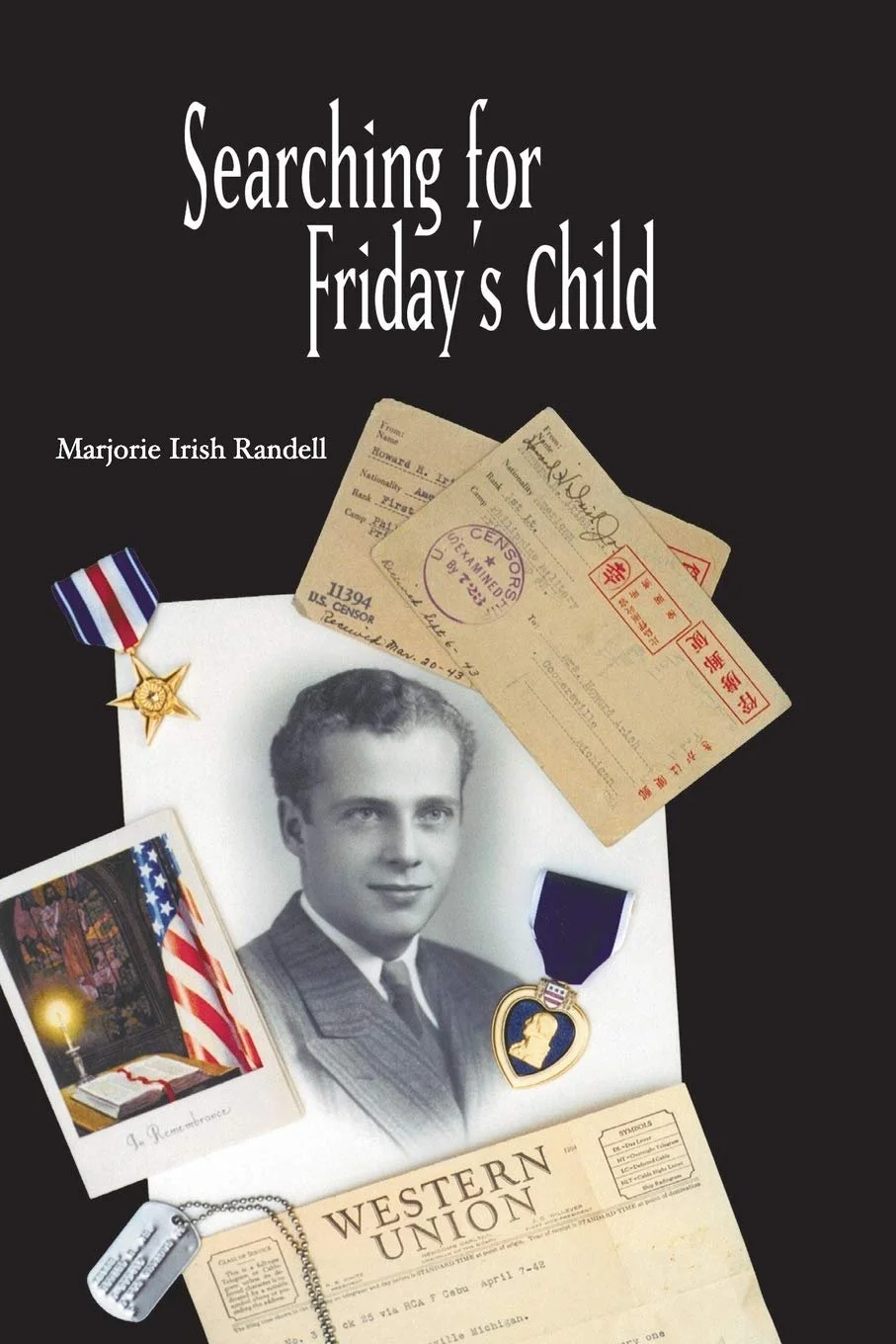
Searching for Friday's Child tells the moving story of Howard Irish, a young U.S. Army Coast Artillery officer stationed on Corregidor before World War II reached the Philippines. Through the letters he wrote home, readers witness the dramatic transition from peace to war.
When communication ceased after the Japanese invasion, his family was left searching for answers. More than fifty years later, Howard's sister uncovered the letters and continued that search. Blending Howard's own words with historical research, this touching true story is a tribute to family, sacrifice, hope, and the enduring bonds that survive even the darkest times.